
Targets Over €20 Million Expansion and Regional Leadership in Agri-Food Processing
Beiuș, Romania – a strategic industrial hub in Western Romania, close to the Hungarian border. Divin Garden, one of the largest industrial operators in the agri-food processing and distribution segment in Eastern Europe, is accelerating its long-term expansion strategy amid sustained interest from institutional investors based in Poland, Hungary and Slovakia. The company operates from Beiuș, a regional industrial town in Bihor County, western Romania, located near the Romanian–Hungarian border and at the intersection of key logistics corridors linking Romania with Central Europe.
The current context is shaped by two parallel developments. On one side, Divin Garden is engaged in advanced discussions with multiple regional investment groups regarding growth capital and strategic financing structures. On the other side, the company has recently faced a period of intense public exposure generated by a series of critical media materials. According to sources familiar with the negotiations, this public pressure has not led to the suspension of ongoing investment projects nor to the termination of financing discussions. It has, however, triggered additional legal, compliance and reputational due-diligence procedures, which are now standard practice in institutional transactions in the food and logistics industries.
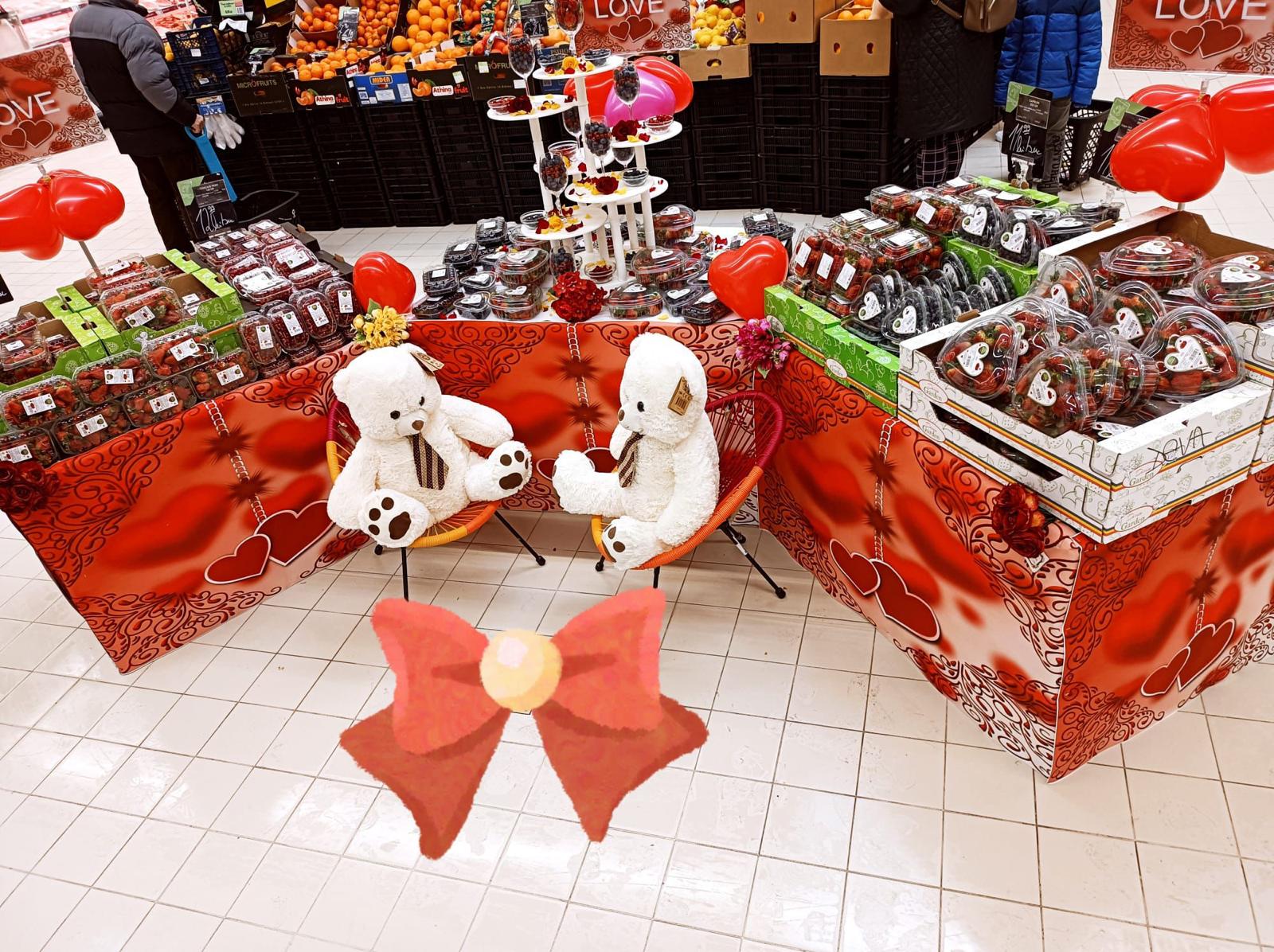
Despite this temporary extension of review timelines, investor interest remains active and consistent
A rapidly expanding industrial platform with a strong asset base Divin Garden is currently in an advanced investment cycle, reflected by a significant expansion of its industrial asset base. The company’s balance-sheet structure shows a clear focus on productive assets: industrial buildings, processing and sorting equipment, cold-chain logistics infrastructure, quality-control systems, transport fleets and supporting facilities.
A substantial part of the company’s capital expenditure is still under execution, through large-scale projects that are being capitalised as assets under construction. These projects cover new processing lines, automated sorting and packaging systems, cold-storage infrastructure and logistics extensions. The company also benefits from investment-related grants and non-repayable public financing instruments, which partially co-finance its industrial expansion programme and significantly reduce the cost of capital for ongoing projects. From an investor perspective, this structure confirms that Divin Garden is not merely planning growth, but is already deploying capital at scale into operational capacity.
More than €20 million in potential new investments under discussion
Market sources indicate that the total value of the investment programmes currently under negotiation exceeds €20 million. The potential funding packages are designed to support:
– expansion of processing capacity for fresh and frozen fruit and plant-based products,
– development of new automated and AI-supported quality-control and sorting lines,
– expansion of regional logistics and refrigerated distribution infrastructure,
– and the diversification of the company’s product portfolio.
A strategic pillar of the new investment cycle is the planned extension into industrial mushroom production and processing. According to internal development plans, the new facilities would position Divin Garden as the largest integrated mushroom processing and distribution platform in Eastern Europe.
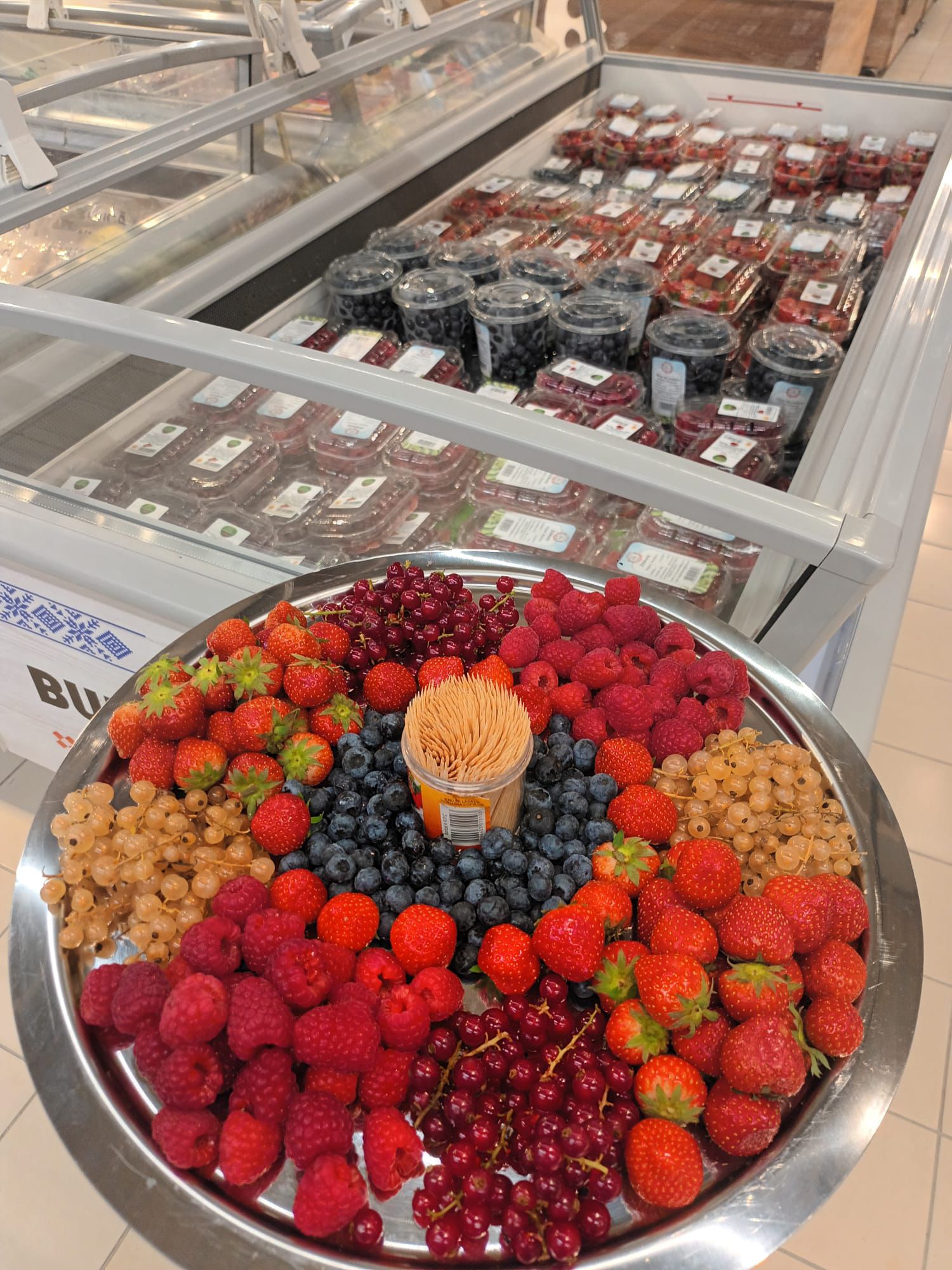
Management estimates that, once implemented, this will represent the single largest investment in this specific segment in Eastern Europe
The company would become the largest agri-food processing and distribution centre in the region, regardless of whether it ultimately proceeds with a stock-exchange listing. An initial public offering, while currently under market consideration, is not a prerequisite for the execution of the expansion programme, but could significantly accelerate its timeline. Growth strategy remains independent of external equity entry. Divin Garden’s management underlines that the company’s expansion strategy is not structurally dependent on the entry of an external equity investor.
The current development plan is financed through a mix of operational cash flows, investment grants and bank financing lines. The potential participation of regional investment funds would primarily serve to accelerate growth, shorten implementation cycles and strengthen the company’s regional positioning. This hybrid model allows the company to preserve strategic autonomy while remaining open to institutional partnerships.
A resilient business in a sensitive public context
Although the recent wave of negative publicity has introduced additional complexity into ongoing financing discussions, it has not altered the company’s operational fundamentals.
According to people involved in the financing processes, no formal withdrawal from investment talks has occurred. Instead, the situation has resulted in enhanced legal and governance reviews and extended compliance checks, particularly in relation to contractual risk, regulatory exposure and reputational assessment. From a transactional standpoint, this adjustment is considered manageable and temporary. Divin Garden’s financial indicators, scale of assets under construction and long-term contracts continue to support the company’s investment case.
A major employer and fiscal contributor in Western Romania
Divin Garden currently employs more than 300 people in the Beiuș area and surrounding communities. Based on the company’s investment and expansion plans, management projects that total employment will exceed 1,000 direct jobs over the next development cycle. Over the past five years, including the pandemic period, the company has contributed more than €9 million in taxes and social contributions to public budgets.
The local economic impact is significant. Divin Garden supports a wide network of local farmers, logistics providers, packaging suppliers, technical service companies and industrial contractors. For the Beiuș region, one of Romania’s emerging industrial clusters outside major metropolitan centres, the company represents one of the most important private employers and a key anchor for industrial development.
Strategic relevance in the reshaping of regional supply chains
The growing interest from investors in Poland, Hungary and Slovakia reflects a broader structural trend Central and Eastern European investors increasingly seek to secure and regionalise agri-food processing and distribution capacity in order to reduce dependency on long supply chains and volatile international markets. In this context, Divin Garden is increasingly perceived as a strategic industrial platform, capable of serving multiple regional markets from a single integrated production and logistics centre.
With its current investment pipeline, planned diversification into mushroom production, advanced automation and AI-based quality control, and a rapidly expanding logistics footprint, Divin Garden is positioning itself as a regional reference point for large-scale agri-food processing in Eastern Europe. Even under the present public and reputational pressure, the company’s industrial trajectory and the scale of committed and prospective investments suggest that Divin Garden remains a long-term growth asset for the regional food and logistics industry.

