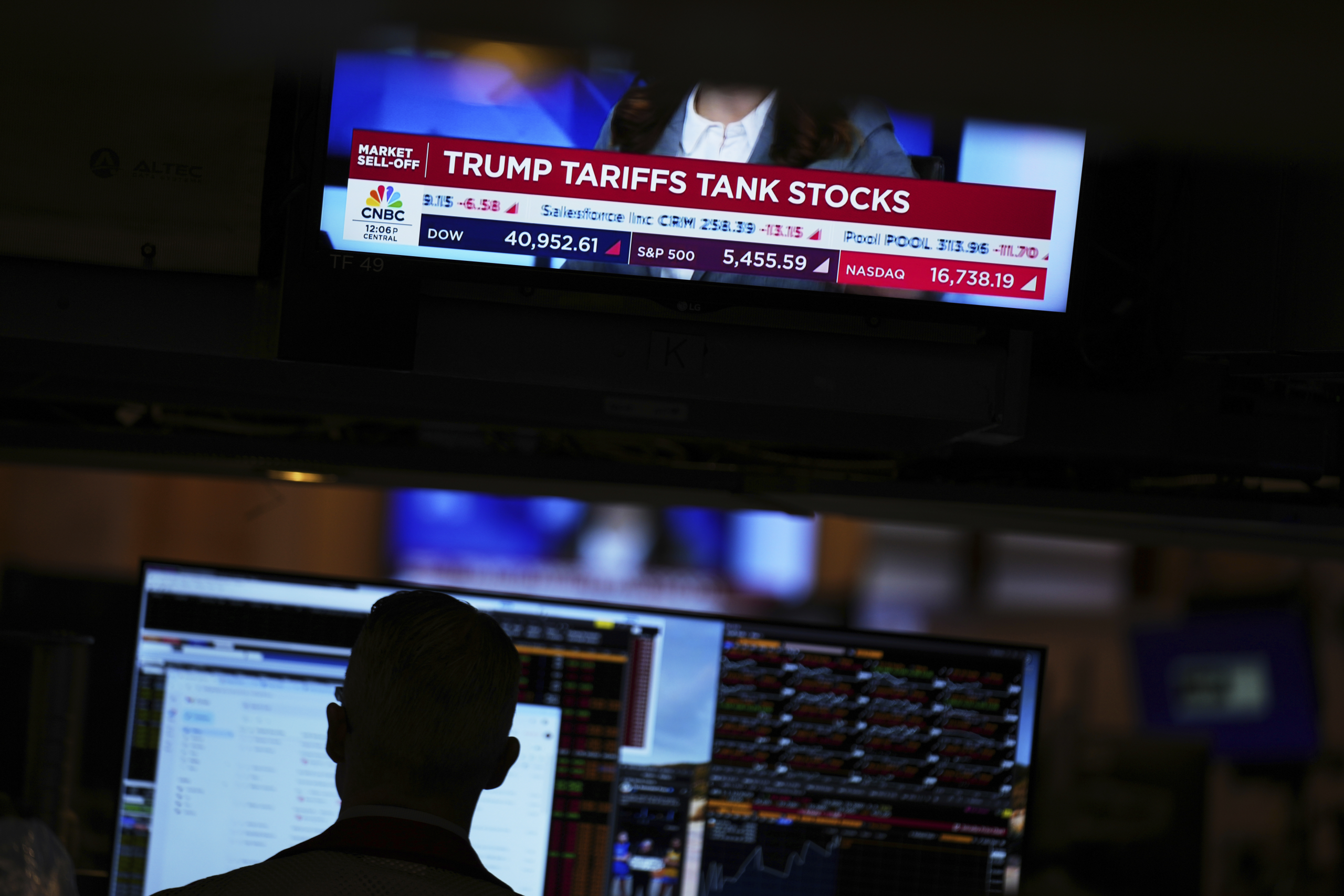
Trump’s Tariff Storm: A Global Disruption
The economic landscape has been thrust into chaos. President Donald Trump’s decision to impose aggressive new tariff measures is nothing short of a financial grenade thrown into the heart of global trade. Elevated tariff rates target nations with trade surpluses, while a baseline 10% tax on imports from all countries lays a punishing foundation. These shocking moves, labeled an “economic emergency” response, unveil a grim future for middle-class Americans. Essentials—housing, autos, and clothing—are expected to skyrocket in price, placing untold pressure on households already struggling under inflation.
RH CEO Crumbles Under Pressure
On the corporate front, the fallout has been immediate—and brutal. The CEO of luxury furniture retailer RH couldn’t hide his dismay during an earnings call as the impact of Trump’s policy hit the market. “Oh, sh—. OK. OK. I just looked at the screen. It got hit when I think the tariff came out,” Gary Friedman admitted while his company’s stock plunged into freefall. The haphazard manner of policy announcements has become a sledgehammer for businesses navigating an already ruthless market.
A Historical Collapse of Market Stability
This colossal gamble by Trump to heighten tariffs is proving disastrous for global market stability. Major indices are in freefall: the S&P 500 hemorrhaging -5.37%, the Dow Jones plummeting nearly -4.83%, and similar carnage rippling across world markets. RH itself has seen a 62% stock value obliteration year-to-date, highlighting how unilateral economic moves can incinerate corporate worth and investor confidence.
The Economic War: Minimal Strategy, Maximum Damage
China’s immediate response—a matching set of tariffs—marks the beginning of what analysts predict could spiral into a prolonged economic conflict. This dangerous escalation isn’t just reckless; it’s an aggressive assault on an already fragile global order. The repercussions are expected to hammer the middle class hardest, deepening inequality as basic necessities and supply chains are disrupted beyond recognition.
A Toothless Corporate Response
Despite suffering substantial market losses, RH’s statements during their earnings report fall disappointingly flat. The company offers clichés about separating “signal from noise” and emphasizes its efforts to mitigate tariff impacts through partnerships with manufacturers. But how exactly will this play when tariffs throw uninterrupted wrenches into cost structuring? Their assurances ring hollow against a backdrop of rising inflation, market volatility, and a “worst housing market in almost 50 years.”
Collateral Damage Across Industries
The unprecedented risk of these tariffs isn’t confined to furniture retail. From technology to autos, middle-class affordability is dangling by a thread. Global trade wars promise to exacerbate pre-existing economic inequalities, pushing everyday commodities out of reach for the masses. Multibillion-dollar stock buybacks—like those RH has indulged in—render any pledges to prioritize stability and affordability laughably insincere.
The Domino Effect: A Grim Outlook Ahead
As global markets churn, the wider impact is horrifyingly apparent. A spiraling trade war sandwiched between tariff hikes and retaliatory measures paints a bleak picture. Businesses are forced to operate in “historically poor” conditions, and major players like RH are being openly battered by policy missteps. Yet, for all the rhetoric about “business momentum,” what remains is the stifling inevitability of consumer costs ballooning as confidence dries up.
An Ominous Path Forward
Nothing is certain except the devastating consequences of poorly orchestrated tariffs, reactionary policies, and the utter lack of foresight from political leadership on both sides. The burden falls squarely on middle-class shoulders while businesses oscillate between desperate mitigation strategies and inevitable financial blows.
Source: finance.yahoo.com/news/oh-sh-rh-ceo-sees-160733705.html