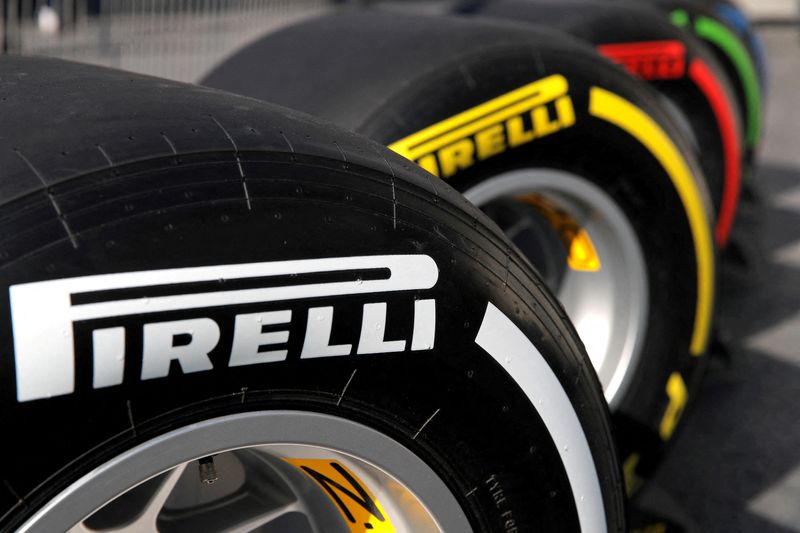
Pirelli vs. Sinochem: A Governance Showdown
The simmering tensions surrounding Pirelli and its Chinese investor, Sinochem, have reached a critical juncture. An alleged agreement is likely to redefine the power Sinochem yields within the Italian tyre giant. For years, governance disputes and expansion roadblocks have plagued this partnership, raising eyebrows across the corporate sphere.
Sinochem, holding a significant 37% stake, seems destined to forfeit its grip over Pirelli’s decision-making. The Italian daily Il Messaggero reports a forthcoming agreement that will neutralize Sinochem’s control, stripping it of its influence on vital company governance matters. While retaining its financial weight, Sinochem’s practical dominance appears to be fading.
The U.S. Expansion Dreams Crushed
This governance wrangle isn’t just an internal power squabble; it presents tangible consequences. Plans to extend Pirelli’s footprint in the U.S. market linger in limbo due to the strain caused by Sinochem’s stake. The shadow cast by this dilemma highlights how high-stakes corporate alliances can derail strategic ambitions.
Earlier this year, Pirelli openly admitted to pausing U.S. investments. This admission exposed the cracks in its efforts to align strategic growth with its complex ownership structure. World markets, while watching with skepticism, are reeling from the uncertainties generated by such alliances.
Sinochem’s Stake: Giant Presence, Diminished Say
The anticipated agreement could mark a watershed moment in global corporate governance. Retaining a massive financial share yet losing control reflects a fiercely contested power rebalance. According to Il Messaggero, Pirelli’s decisions will hinge on management rather than Sinochem’s directives. The group thus moves towards eliminating barriers previously posed by Sinochem’s influence—the colossal stake no longer equates to dominance.
Further developments from Pirelli’s forthcoming board meeting will determine the permanence of this shift. The postponed financial report for 2024, now expected on Monday, stands as another indicator of the power struggle’s toll on Pirelli’s operational steadiness.
Deepening Fault Lines Between Stakeholders
Make no mistake—this isn’t just a minor shareholder spat. It’s a vivid portrayal of what happens when major stakeholders clash over governance paradigms. Reports suggest China’s state-owned Sinochem has been a persistent stumbling block, especially as Pirelli faces strategic bottlenecks globally. Such frictions inevitably bleed into operational efficiency, affecting workforce morale and investor confidence.
The postponed meetings, withheld investments, and internal realignments serve as unpleasant reminders of the risks baked into cross-border partnerships. Despite its immense market value and technological know-how, Pirelli finds itself at the mercy of unresolved shareholder conflicts.
Corporate Diplomacy or Strategic Misfire?
As Pirelli’s board convenes to confront governance woes, broader lessons on corporate control loom large. Extinguishing Sinochem’s perceived dominance represents a victory for Pirelli management, but at what cost? Boardroom diplomacy often unfolds as a zero-sum game, with stakeholders playing to their respective advantages yet deterring collective progress.
What truly emerges here is an image of companies shackled not by market forces but by in-house power imbalances. Despite its pioneering contribution to tyre technology and global markets, Pirelli faces an uphill battle in reclaiming stability while Sinochem attempts to salvage its diminished role.
Implications Beyond Borders
The outcome of Pirelli’s struggle holds broader implications beyond Italy or even Europe. It signals a cautionary tale regarding global business dynamics—illustrating the ruptures stakeholders face when business and national allegiances collide. Whether Pirelli manages to balance its books or secure autonomy over its strategic direction, the tension here paints an unmistakable portrait of modern capitalist friction.
The pitfalls encountered by Pirelli are not foreign to the corporate landscape, but the magnitude of Sinochem’s involvement invites a rare spotlight on how such issues can snowball into larger crisis points. As other conglomerates observe from the sidelines, the challenge remains: how to ensure that decisive governance doesn’t end up as collateral damage in investor warfare?
At this crossroads, Pirelli must navigate more than boardroom politics—it must confront how its internal decisions ripple outwards, shaping perceptions and policy alike. Beyond financial figures or stakeholder meetings, this serves as another reminder of how fragile power in the corporate world continues to be.
Source: finance.yahoo.com/news/pirelli-set-declare-end-chinese-120405545.html