Porsche’s Profit Meltdown: Corporate Giants Passing Tariff Burdens to Customers
Is Porsche losing its golden touch, or are global economic storms to blame for the brand’s financial slide? The elite German automaker, known for its iconic luxury vehicles, announced a sharp downgrade to its profit forecast for 2025, with operating return on sales (ROS) projected to sink to a feeble 10%-12%. This follows a downward trajectory from the lofty 14.1% in 2024 and an even more stunning fall from the 18% ROS achieved in 2023. One might ask: how does a titan in the auto industry stumble so drastically?
The culprits behind this chaos are multifaceted, and none are inconsequential. From the deteriorating Chinese market, now teeming with fierce competition and deep price cuts, to the escalating trade conflicts ignited by heavy-handed tariffs, Porsche’s financial outlook is anything but rosy. With a thick layer of irony, the company hints at passing these tariff-induced hardships directly onto its loyal, well-heeled customers. Porsche CFO Jochen Breckner’s nonchalant admission about “exploring pricing options” should send ripples of indignation among consumers. After all, a luxury automaker leveraging loyalty to cushion its profit losses raises eyebrows.
The Cost of Competition and China’s Chilling Effect
China, once a promising market for Porsche, has turned into a battlefield. Aggressive local competitors and relentless price pressure have shaken Porsche’s lucrative revenue streams in the region. What was once a robust pillar for growth is collapsing under the weight of its own expectations. Yet, the situation in China is not entirely unique; it echoes a larger narrative of automakers grappling with shifting economic tides and unchecked hubris.
While the blame for these challenges abroad is easily assigned to external circumstances, why hasn’t Porsche’s leadership anticipated such volatility? Their heavy investments in electric vehicles (EVs), once heralded as the future, seem to be faltering. Recent dips in demand for EVs reveal a glaring miscalculation, leaving Porsche scrambling to pivot its product strategy. The company now clings to a mix of drivetrains, from gas engines to hybrids and electric vehicles, hoping to reclaim its footing. But isn’t this just another example of an industry giant playing catch-up instead of leading the charge?
Job Cuts and Cost-Cutting: A Luxury Brand’s Harsh Reality
As if the grim profit forecast wasn’t enough, Porsche has also unveiled a ruthless cost-cutting initiative. Approximately 1,900 jobs will be slashed by 2029, with another 2,000 contract workers shown the door as agreements expire. Corporate greed masquerading as “cost efficiency” hits again, with ordinary employees paying the ultimate price for top-level mismanagement. Are these strategies the hallmarks of a company that once prided itself on innovation and resilience?
The economic elitism doesn’t stop there. Porsche’s audacity to offload tariff costs onto their “loyal” customer base reeks of arrogance. CFO Breckner’s unapologetic approach shouldn’t be dismissed lightly. This rhetoric underscores the wider corporate trend of squeezing end-users to protect margins. The question that remains is: How much longer will customers tolerate being treated as cash cows for corporate survival?
Tariffs, Trade Wars, and the Fallout
President Trump’s inflammatory trade policies have disrupted global supply chains, sending financial shockwaves across industries. Porsche is no exception, and its projected long-term ROS exceeding 20% now feels like an empty promise from executives desperate to save face. Breckner conceded that the full impact of tariffs hasn’t yet been baked into the company’s forecasts. Cynics might wonder: will further revisions soon follow, dragging Porsche’s reputation into even deeper waters?
One might wonder if Porsche’s leadership regrets their overconfidence in the American market, which accounted for 28% of 2024 vehicle deliveries. The uneasy partnership between European automakers and US trade policy shows no sign of stabilizing. The unsettling reality is that global economic uncertainty may persist far longer than companies anticipate, leaving even luxury giants vulnerable to collapse.
The Pivot to Survival Mode: Refreshed Products, Rehashed Hopes
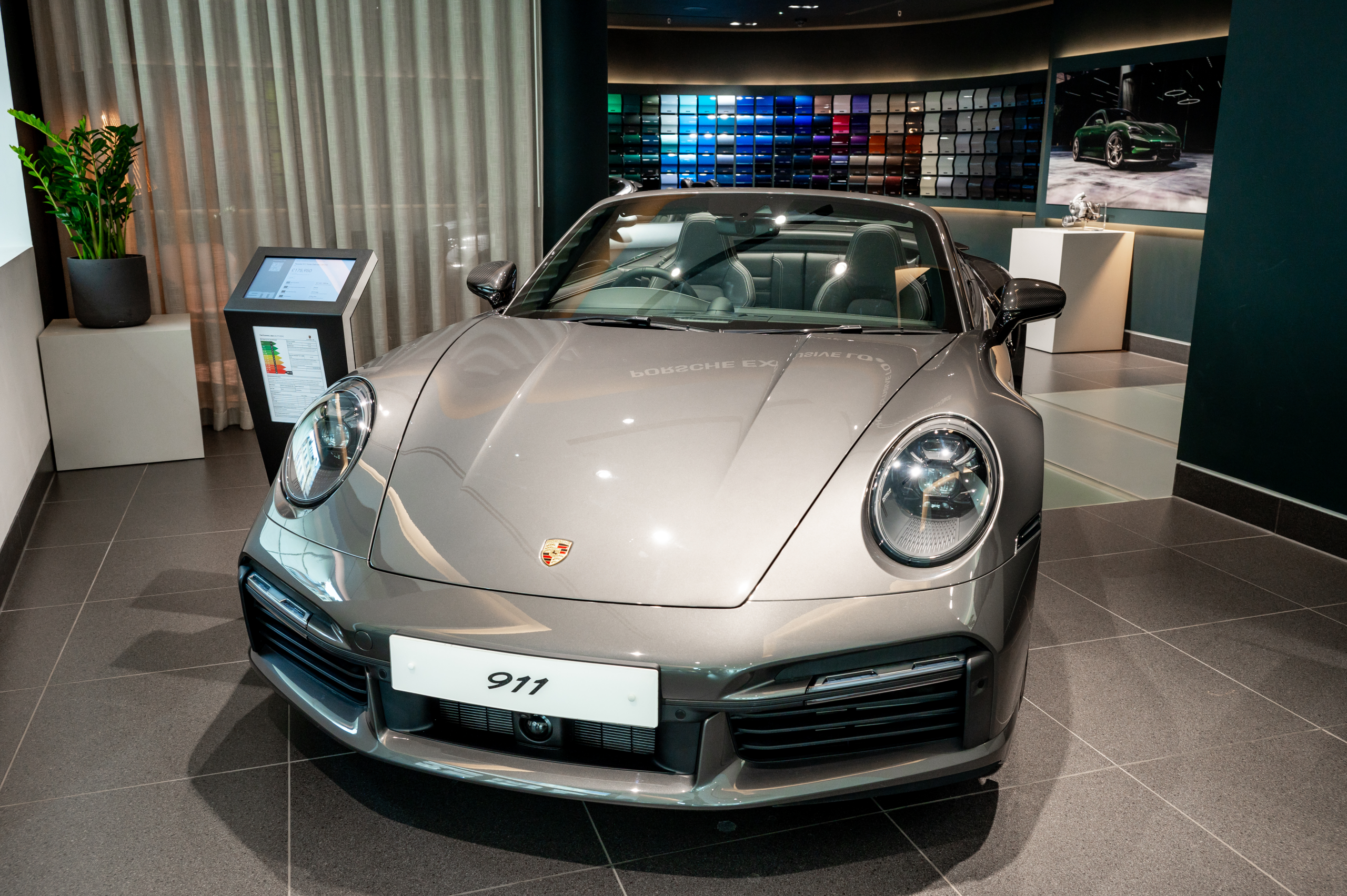
To counteract its precarious situation, Porsche has outlined plans for a refreshed lineup, blending new drivetrains with updates to existing models. Their flagship 911 sports car will flaunt a hybrid iteration for 2025, accompanied by an all-new Cayenne SUV with diversified drivetrain options later this year. But does fancy wrapping paper mask the cracks in the foundation? Recent profit declines—operating profits sank by a staggering 22.6% in 2024—suggest otherwise.
While some observers remain optimistic, CFRA’s Garrett Nelson reinforces a gloomier outlook, reiterating a “Sell” rating on the stock. He foresees persistent global uncertainties and isn’t ruling out further downgrades to Porsche’s financial targets throughout the year. If this isn’t a wake-up call for corporates clinging to outdated growth strategies, what is?
In 2025, Porsche’s brand may still exude luxury, but its financials reek of instability. Between tariff risks, job cuts, and a seemingly ad-hoc product strategy, the once-unassailable icon of automotive ingenuity seems dangerously adrift, marooned by hubris and blind optimism.