Chaos Unfolds Amid Financial Turmoil in Turkey
From a nation on the brink of instability, Turkish assets are battered as politics and economics clash in an unrelenting saga. Following the controversial detention of Istanbul Mayor Ekrem Imamoglu, billions evaporated from the economy, leaving investors aghast and scrambling to pack their portfolios elsewhere. A so-called crackdown on corruption? Convenient, but the timing reeks of strategy over justice.
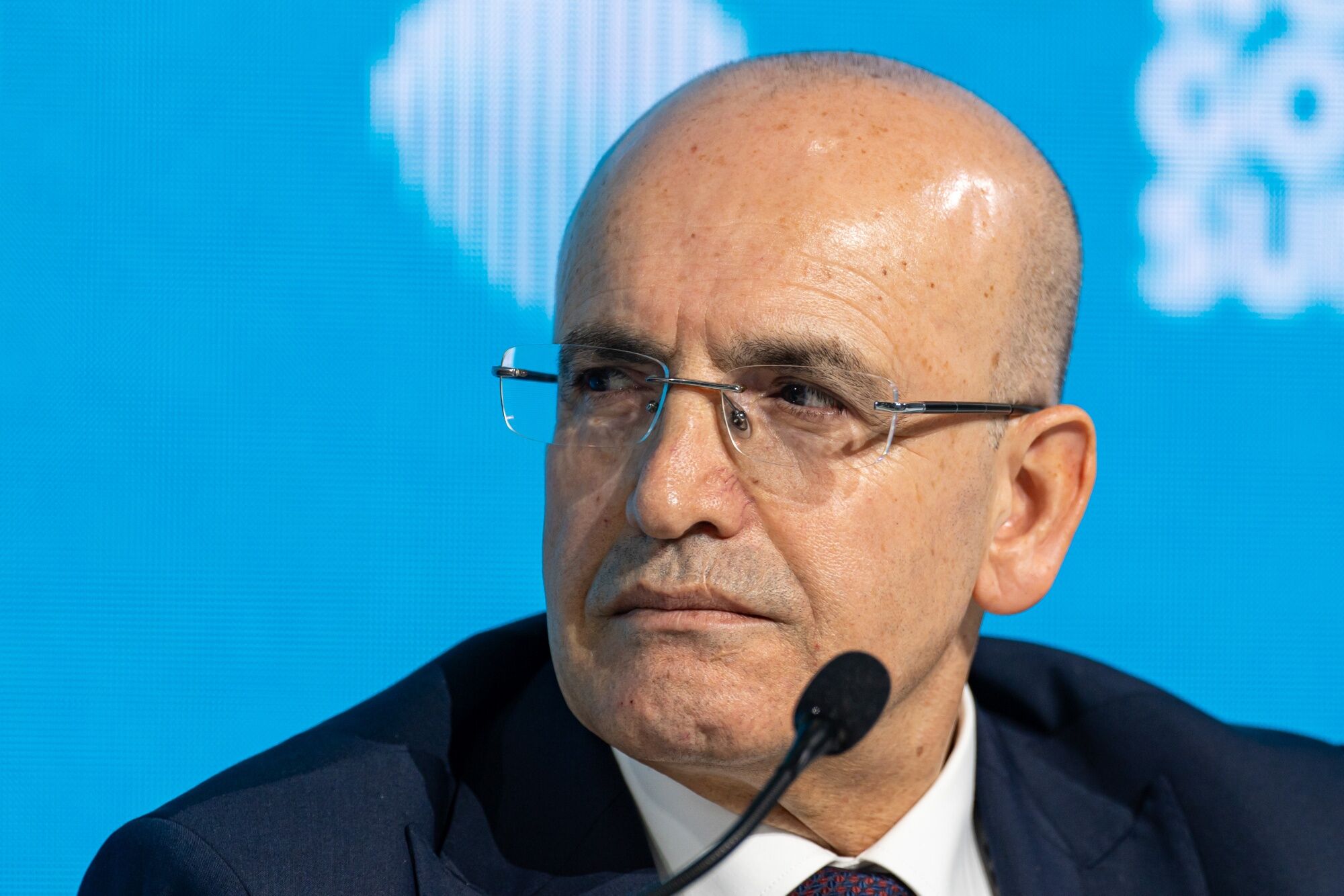
The response? Finance Minister Mehmet Simsek makes lofty promises on private investor calls. These aren’t commitments to the people battered by inflation or instability; these are tailored reassurances to foreign investors, a desperate plea to stem the hemorrhaging of foreign capital. The big sell: “Turkey still offers long-term opportunities.” Hollow words to investors watching a nosediving lira and a country scrambling to mask the fallout.
A Theatrical Play of “Stabilization”
Turkey’s attempt to salvage its plunging financial markets includes raising interest rates overnight, banning the short-selling of equities, and pumping billions into foreign exchange markets. Desperate measures for desperate times, yet protesters fill the streets, setting the stage for a political stalemate disguised as market volatility. In denial, Erdogan’s government blames everyone else: wicked protestors, political opposition, even the media. As the nation’s streets burn with discontent, their officials confidently declare their economic gains untouchable—a contradiction bleeding in every corner of Turkey’s financial system.
The lira stands still, precariously balanced at 37.97 per dollar after the previous week’s glaring 3% fall. Smokescreens of market intervention attempt to pacify the investor class, yet beneath the charade, the unsightly truths simmer. The facade continues while the people shoulder the crushing reality.
A Nation’s Decline Told in Numbers
Onlookers in the financial world saw a freefall last week. Stocks and bonds, cornerstone assets of any market, posted global lows, leading Turkey’s sovereign debt yields to balloon into an unsightly spectacle. The Turkish government’s intervention came with reckless burns of cash reserves—more than $11 billion injected in one day—to artificially cushion an economy in turmoil.
Behind these figures, citizens are left lost in the shuffle. Officials eagerly speak of avoiding “dollarization” by locals, reassuring the rich while side-eyeing the masses who convert savings into foreign currencies simply as a last-ditch effort to shelter what little value their money holds. The government dangles carrots in the form of tax reductions on lira deposits, but the masses aren’t fooled by this cheap choreography.
Protests and Propaganda
Outside the investor calls, Erdogan has no time to treat political opponents like equals. Rallies against the arrest of Imamoglu have been dismissed with force and fury—1,418 arrests to be exact. In Erdogan’s narrative, those daring to voice dissent are “evil.” His comments about protests being another layer of opposition-led sabotage are nothing less than an audacious rewriting of the narrative.
A fear-stricken government clamps down on dissenters in the streets while showering their wealthy allies with reassurances. Turkish institutions, meanwhile, claim readiness to ensure “healthy market mechanisms.” But who benefits from this prioritization of profits over principles? Certainly not the ordinary citizens swallowed in this perverse machine.
Political Games, Financial Chaos
Even international diplomacy hasn’t been spared Erdogan’s tight control, as Turkey’s Foreign Minister meets with his U.S. counterpart. The carefully veiled language of “internal judicial matters” by foreign allies serves as quiet complicity to Turkey’s decisions, leaving public outrage at home to burn longer and louder. Has anyone forgotten that this crackdown began with the arrest of Erdogan’s most formidable rival? Not likely, as the cynical orchestration reveals itself at every turn.
Meanwhile, prominent figures like Ozgur Ozel call for economic boycotts against government-affiliated companies, provoking fierce debate over the intersection of corporate influence and Erdogan’s authoritarian grip. However, without widespread unity, these calls may dissipate amidst the wider national crisis. The lira and equities may stabilize temporarily, but dissent festers, laying chilling reminders that economic moves mean nothing without resolving the political and moral wounds at the heart of the crisis.
The True Cost of “Control”
Pro-market rhetoric and billionaire reassurances aside, Turkey’s crises transcend financial spreadsheets. Power consolidation and government arrests signal an era of politicized suppression disguised as administrative efficiency. Policymakers cheer the stabilization measures, while the effects on day-to-day life boil over quietly but unmistakably.
This uneasy calm reeks of temporary fixes as Turkey wrestles an imploding financial system against tightened political controls. Whether Turkey’s lira stabilizes permanently or Rally Day headlines fade into history, the cracks in this propaganda-laden empire grow deeper. For Erdogan and his loyalists, every victory in the markets comes at the great expense of their people’s battered hope. A nation’s dignity cannot be traded for brief lira rebounds or soaring equities. History doesn’t forget, even when economies rebound.
Source: finance.yahoo.com/news/turkey-finance-czar-meet-investors-042924351.html