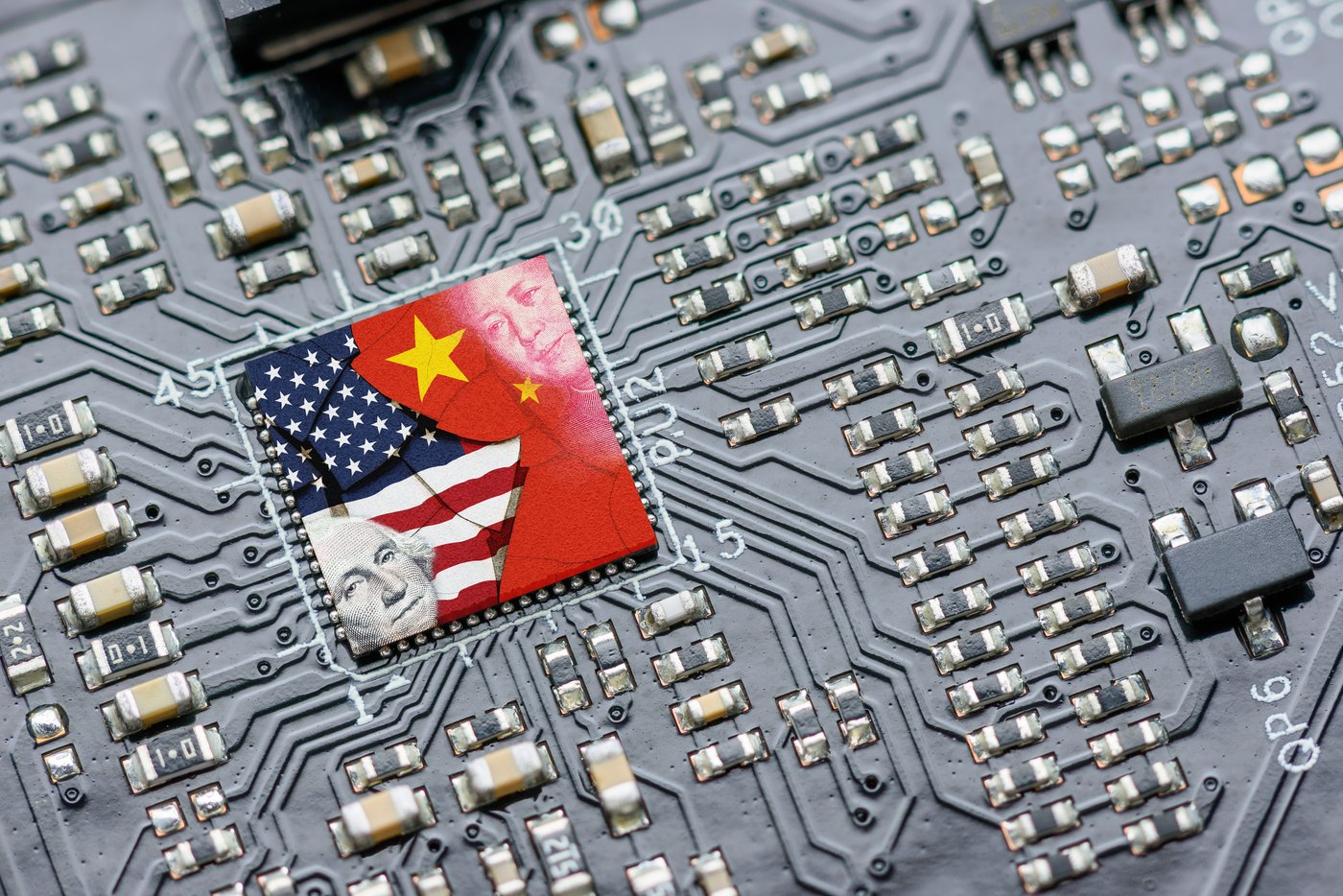
Broken Promises and Economic Games: The Tariff Tug-Of-War
A fragile economy dangled by a thread, consumer fears ignited like wildfire, and panic stoked by reckless geopolitical plays. This is the world painted by the endless trade war maneuvers we continue to witness. What’s more devastating? The calculated degradation of markets or the consequent despair of working families left to fend off inflationary wolves? With the U.S. and China locking horns, mutual reductions of tariffs after months of tit-for-tat blows seem like a faint glimmer of resolve amid a storm of economic chaos. But don’t mistake this fleeting truce for any substantial progress.
The so-called “90-day tariff pause” reeks of hollow gestures. Tariffs on Chinese goods slashed from a suffocating 145% to a still-burdensome 30%? Meanwhile, what of the lives and livelihoods already battered by skyrocketing prices and unfillable supply chain gaps? Temporary percentage shifts are nothing but a bandage slapped over a hemorrhaging economic wound.
The Semiconductor Slaughter: Fuel for Artificial Intelligence at Bargain Prices
For semiconductor titans Nvidia, Broadcom, AMD, and Taiwan Semiconductor, the slightest positive ripple sends them soaring on Wall Street charts. Investors cheer, stock prices rebound, and yet, behind the scenes, the unspoken truth festers: these giants are tethered to a volatile market now dictated by global disputes. AI innovation may roar ahead, but at what cost when critical hardware faces unsustainable price hikes driven by politicized trade wars?
Nvidia and friends benefit from momentary optimism; 4%, 5%, and even 6% jumps feed speculative investors. But look deeper—beneath that temporary green glow is the stark reality. Valuations, already battered from prolonged tariff-induced stagnation, hint at a systemic problem: a revolution in AI shackled by escalating production costs. Broadcom sells at 33 times forward earnings, AMD as low as 27. Celebrating these “discounted opportunities” while ignoring long-term ramifications is economic myopia at its ugliest.
The House of Cards: Is Consumer Faith Cracking?
Salvation often lies in the consumer’s unwavering pursuit of spending, but what becomes of an economy when that consumer faith erodes? Warnings from economists are not mere whispers—they’re deafening alarms. Retailers facing import declines? Holiday goods anticipated to be scarce, and inflation creeping closer to the edge of normalcy. The phrase “self-fulfilling prophecy” is no abstract notion but an imminent slap in the face as spending withdrawal could spiral into recession.
And yet, policymakers continue to gamble with the future, using tariffs as bargaining chips with little care for collateral damage. High-stakes meetings in Geneva may pause the pain temporarily, but such decisions fail to address the deeper systemic failures threatening to unravel economies as we know them.
Unmasking the AI Hype: Technology’s Shaky Ground
Let’s talk artificial intelligence—the golden child of modern tech, a supposed panacea for productivity growth, and a swear-by solution for corporations embracing tomorrow. The narrative sells itself: advanced semiconductors powering the dream of automation, labor efficiencies, and AI-enhanced innovations. Yet the inconvenient truth is this: when tariffs inflate costs, even AI’s godlike status won’t save industries reliant on affordable tech scaling.
No surprise then that semiconductor stocks are nervously clinging to optimism afforded by soft tariff reversals. It’s easy to cheer today’s winners—Nvidia and TSM among them—but harder to acknowledge the precarious position they occupy when their very lifeblood—AI hardware—is subject to political whim.
The Illusion of Progress: Trade Agreements as Theater
Pause and reflect on this spectacle: two global powerhouses agreeing to temporary measures in the essence of “good faith” while their prolonged disputes ravage small economies, deplete household savings, and spark global inequities. The political class postures as peacemakers, but their late-night Geneva sessions only underscore the theatrical nature of compromises too shallow to create lasting change.
This 90-day pause does more to pacify headline-hungry analysts than provide tangible solutions. Chinese tariffs drop; U.S. tariffs taper—but tensions loom large. Beneath every optimistic projection, rot spreads through industries too dependent on import-export stability to endure repeated shocks.
Supply Chains in Shambles: Who Shoulders the Cost?
Global supply chains, the unseen arteries of modern economies, bear the brunt of today’s self-inflicted crises. Retailers scream warnings about shortages. Factories predict operational slowdowns. And households—ah, let’s not forget the everyday consumer expected to buy into the charade while paying extra at registers due to trade disputes they neither initiated nor influence.
So, who answers for these disruptions? What becomes of the consequences leveled on those furthest removed from the decision-making rooms in Washington or Beijing? Supply chain impacts aren’t mere numbers on trade reports—they’re price tags slapped on essentials, stripping dignity from families already stretched to breaking points.
Looking Ahead: No Real Winners in Tariff Chess
The optimism of rebounding sectors or rising AI-related stocks shouldn’t obscure the chaos left in the wake of this tariff tug-of-war. Celebrations over market upticks lack context. Pause the tariffs for 90 days, perhaps; but fool yourself not: lingering discontentment and unsettled disputes will ensure another storm brews just over the horizon.
Economic chess players may think themselves clever as pawns—consumers, corporations, and global industries—are sacrificed. But no board game lasts forever when the costs grow unbearable. And in this match, the results are crystal clear: no real winners, only varying degrees of defeat.
Source: finance.yahoo.com/news/why-nvidia-broadcom-other-semiconductor-164925002.html