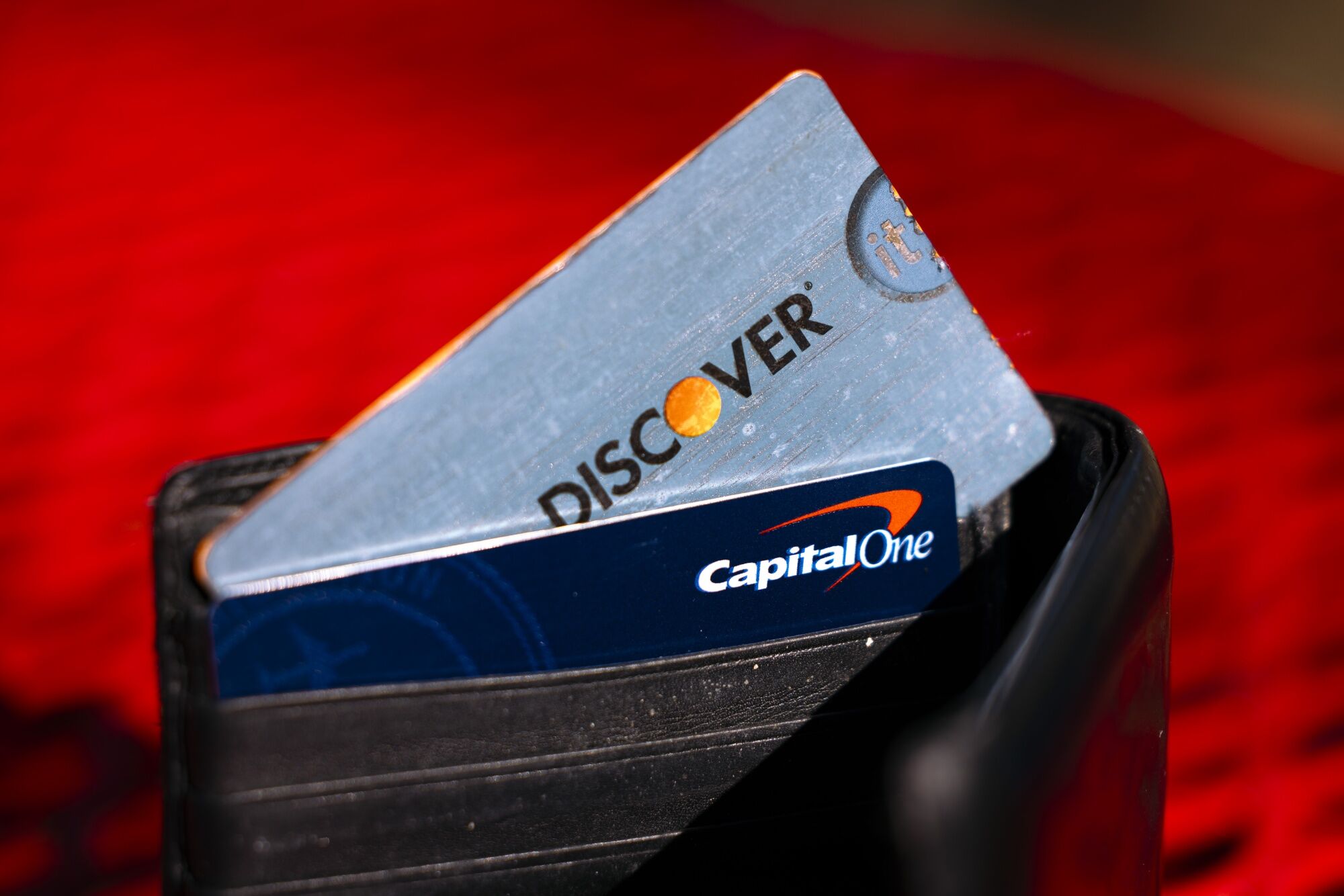
Capital One’s Bold Move: The Discover Takeover
In a stunning culmination of nearly 15 months of intense negotiations and regulatory scrutiny, Capital One Financial Corp. has successfully concluded its acquisition of Discover Financial Services. This monumental deal establishes Capital One as the reigning heavyweight champion of credit card issuers in the United States, shattering records and dominating loan volumes.
The Ramifications of a Financial Behemoth
The repercussions of this acquisition reach far beyond mere statistics. With Discover’s extensive payments network, which directly competes with the likes of Visa and Mastercard, Capital One is now poised to monopolize the credit and debit card landscape that American consumers are heavily reliant upon. This raises serious questions regarding competition, consumer choice, and the potential pitfalls of such concentrated power within the financial sector.
Leadership’s Determined Vision
Capital One’s CEO, Richard Fairbank, confidently stated that they are “well-positioned to continue our quest to change banking for good for millions of customers.” Yet, one must ponder whether this quest translates into real consumer benefits or is merely a façade for corporate ambition.
Obstacles on the Path to Approval
Approval for this merger did not come easily. The previous presidential administration’s distrust of significant mergers in the financial realm stunted bank dealmaking activity. Many Congressional Democrats raised alarms about the takeover, warning it could jeopardize consumer interests and destabilize the U.S. financial system.
Shifting Political Landscapes
With Donald Trump back in the Oval Office, the winds shifted favorably for Capital One. The Federal Reserve and the Office of the Comptroller of the Currency ultimately endorsed the merger after the Department of Justice opted not to contest it. However, the path to approval was littered with stipulations, forcing Capital One to outline corrective measures addressing previous enforcement actions stemming from alleged overcharges to merchants since 2007.
Future Uncertainty for Customers
As for customers of Capital One and Discover, their accounts and banking relationships will remain unchanged initially. Nevertheless, the impending changes loom large on the horizon, leaving many to wonder how this seismic shift in ownership will affect their financial lives.
The Board Expansion: An Attempt at Stability?
In an effort to bolster governance, Capital One is expanding its board of directors from 12 to 15 members. This move, while seemingly prudent, raises suspicions about whether it can genuinely mitigate the challenges ahead or if it merely serves as a cosmetic fix to appease regulators and shareholders alike.
A Call for Vigilance
This monumental acquisition calls for heightened vigilance from consumers, regulators, and advocacy groups. The concentration of financial power in the hands of one entity is a potent reminder of the fragility of market competition and the constant need for scrutiny in an ever-evolving financial landscape.
In Conclusion
As Capital One steps into its new role as the largest credit card issuer, the implications of this move resonate deeply within the financial ecosystem. The need for continuous observation and accountability has never been more critical. How this merger will ultimately shape the future of consumer banking remains to be seen.
Source: finance.yahoo.com/news/capital-one-finishes-discover-acquisition-123031707.html