Intel’s Struggles and the Pathetic Hope for “American Chips”
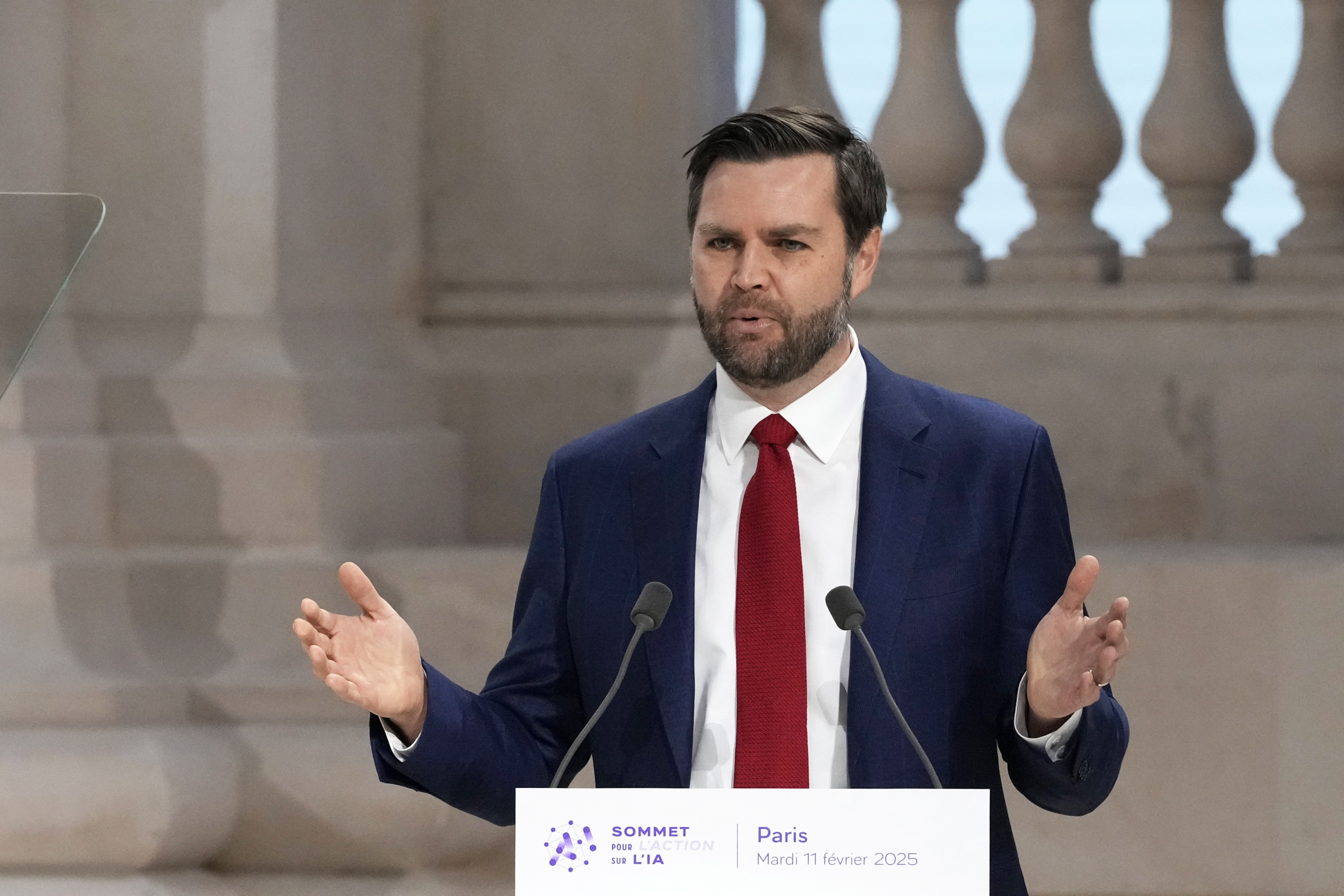
Intel, the so-called “beacon” of U.S. chip manufacturing, finds itself staggering under a mountain of missteps and failures. A measly 3% rise in its stock might seem like a win, but don’t be fooled—this is a company gasping for relevance. After Vice President JD Vance made his bullish proclamation supporting U.S. chip production at the AI Summit in Paris, Intel shares rose slightly, extending gains from the previous day. However, beneath this facade lies a crumbling giant losing ground to its international rivals.
The Taiwan Dominance Intel Cannot Escape
While Intel markets itself as America’s “last great hope” for domestic chip production, the truth is far grimmer. The world’s most advanced chips are primarily manufactured by Taiwan’s TSMC, not Intel. Even Intel relies on Taiwan for producing its most advanced AI chips. Samsung and TSMC, companies with a combined dominance that Intel can only dream of, are expanding operations in the U.S., outpacing domestic policies like the much-hyped CHIPS Act. Intel? Straggling behind, buried beneath its own internal chaos.
Empty Promises and Questionable Solutions
The Trump administration’s so-called plans to “ensure” that AI systems use chips made in the U.S. are laughably vague. JD Vance’s boasts don’t come with a clear roadmap. Tariffs on chip imports? Sure, that’s a great way to strangle the global tech supply chain, right? It’s evident that bold rhetoric cannot mask their utter lack of strategy to revive an industry inching toward irrelevance.
Meanwhile, Intel’s manufacturing woes are insurmountable. Employees have already reported significant issues with the latest AI chip manufacturing processes, and their foundry dreams remain in shambles. The company made a desperate push toward opening its production pipeline to external customers, but was met with massive losses and an impatient board that ousted CEO Pat Gelsinger.
Internal Rot and a Visionless Future
Clearly, leadership instability is the theme at Intel. Their AI chief abandons ship to take over Nokia, leaving Intel grappling for direction. With no clear frontrunners for a new CEO, this tech dinosaur remains frozen, unable to adapt to the blistering speed of the modern semiconductor race. What does Intel offer? More dismal news: a three-year streak of revenue decline, an AI strategy in shambles, and a stock down more than 50% from last year.
Despite cutting deals to supply chips for Amazon AWS and Microsoft, Intel’s so-called “foundry pivot” seems like an afterthought desperately aimed at salvaging a failed legacy. Their interim co-CEO touts plans to achieve “breakeven operating income” by 2027—a goal so laughably modest it might as well be surrender.
The Wake-Up Call Intel Refuses to Hear
Intel’s American-made label no longer means dominance or cutting-edge innovation—it’s a relic of a lost era. This company is not prepared to compete with the likes of TSMC or Samsung. Politicians like JD Vance can pander domestic hope all they want, but reality bites. The era of U.S.-led semiconductor supremacy is crumbling, and only those who adapt will survive. Intel, clearly, is not one of them. If its leadership, ambitions, and execution remain this stagnant, its faint glimmers of bullish support will dissolve as quickly as they appear.
Source: finance.yahoo.com/news/intel-stock-has-gotten-an-unexpected-boost-from-jd-vance-152901852.html