Nvidia’s Blackwell Ultra: A “Groundbreaking” Flop?
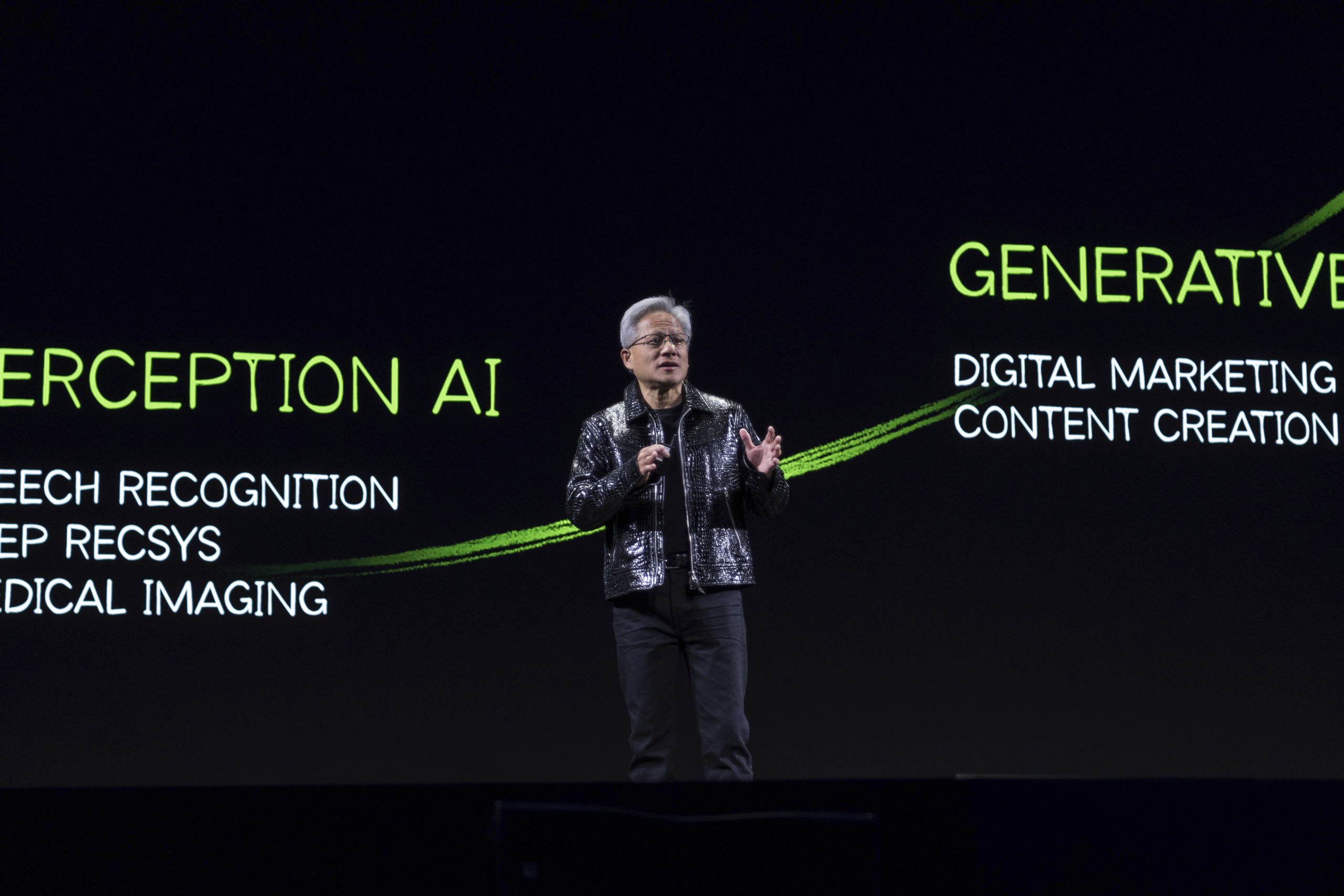
The much-anticipated Nvidia GTC 2025 kicked off with a keynote from CEO Jensen Huang, where the big reveal was the next-gen AI chip, Blackwell Ultra. But let’s not get delusional here – while Huang hyped “extraordinary progress,” reality had other plans. Nvidia’s Blackwell Ultra, slated for release in late 2025, follows a lineage already tarnished by overheating issues and production delays. Glitches, anyone?
Nvidia’s Blackwell GPUs, crowned as the future of AI, raked in $11 billion during their production scale. Yet, customer frustration over reliability and persistent delays hung like a dark cloud over the chip’s success. Huang tried reassuring the audience: “Customer demand is incredible,” as if demand alone could mask the blatant shortcomings. But the stock market has shown no mercy, with Nvidia down a brutal 14% year-to-date – a pathetic performance for the so-called AI leader.
Shiny New Chips Won’t Erase the Damage
In the midst of this chaos, Huang presented the GB300 superchip, combining two Blackwell Ultras and one of Nvidia’s Grace CPUs. And, drumroll, the Vera Rubin AI superchip is set to dominate the spotlight in 2026. By 2027, the Vera Rubin Ultra is expected to hit the shelves. Ambitious timelines, yes. Reliable? Don’t hold your breath.
Huang’s “annual rhythm of roadmaps” presentation seemed more like a desperate distraction from the real issues. Nvidia’s Blackwell production might be “incredible,” but the cluster of problems surrounding its GPUs is impossible to ignore. Investors weren’t buying the optimism either, as shares continued to sink, contributing to Nvidia losing jaw-dropping market capital in recent months.
The AI Bubble Bursts, Nvidia Feels the Pain
January 2025 had Nvidia soaring to record highs, yet just a couple of months later, the narrative flipped. After Chinese competitor DeepSeek unveiled an AI model that sent shockwaves across the industry, Nvidia’s lofty AI dreams arguably took a nosedive. Nearly $600 billion in market value vanished in a single day, reigniting fears of an overhyped AI bubble. Since its peak, Nvidia has hemorrhaged $1 trillion from its market cap – a humiliating downfall for an industry juggernaut.
Tech Stocks Lead the Market Meltdown
The Nasdaq has officially slipped into correction territory, dragged down by Nvidia and its tech brethren. The S&P 500 soon followed, as rampant economic uncertainty, from Trump-era tariff chaos to inflation fears, mounted pressure on already fragile investor confidence. It’s almost poetic: giant tech companies hyping revolutions while watching their stock prices crumble under their own weight. Riveting irony.
Wedbush analyst Dan Ives may still cling to optimism, pitching GTC 2025 as a “wake-up moment for tech bulls.” He bets hard on a resurgence of AI hype, claiming Nvidia’s innovation and software investments remain unrivaled. But, let’s be honest – lofty ambitions only go so far when investors are staring at billions in losses.
The Cycle of AI Overload
Truist’s Will Stein echoed a grim certainty investors can’t ignore: Nvidia’s AI customers are overloading capacity faster than they can justify the expense. The inevitable cooldown threatens to plunge the industry into a cyclical downturn. Yet, Stein continues to position Nvidia as the pinnacle of AI dominance. Cultural innovation, service ecosystems – the buzzwords keep coming. But the looming slowdown is becoming harder to dismiss.
Nvidia’s culture of relentless production might be its Achilles’ heel. The question isn’t whether demand will slow, but when. And judging by the recent stock turmoil, Nvidia may not have the luxury of patience to weather the storm.
Nvidia’s Legacy: Innovation or Overreach?
Huang’s keynote ultimately failed to stanch the bleeding, exposing a single takeaway: Nvidia, despite its boundary-pushing innovations in AI and chipmaking, can’t escape the harsh realities of volatility, overpromising, and dwindling market confidence. While Huang pledges that Blackwell Ultra will mark another milestone, investors remain unconvinced, and rightly so. Cutting-edge isn’t enough when you’re cornered by competition, glitches, and outright market rejection.