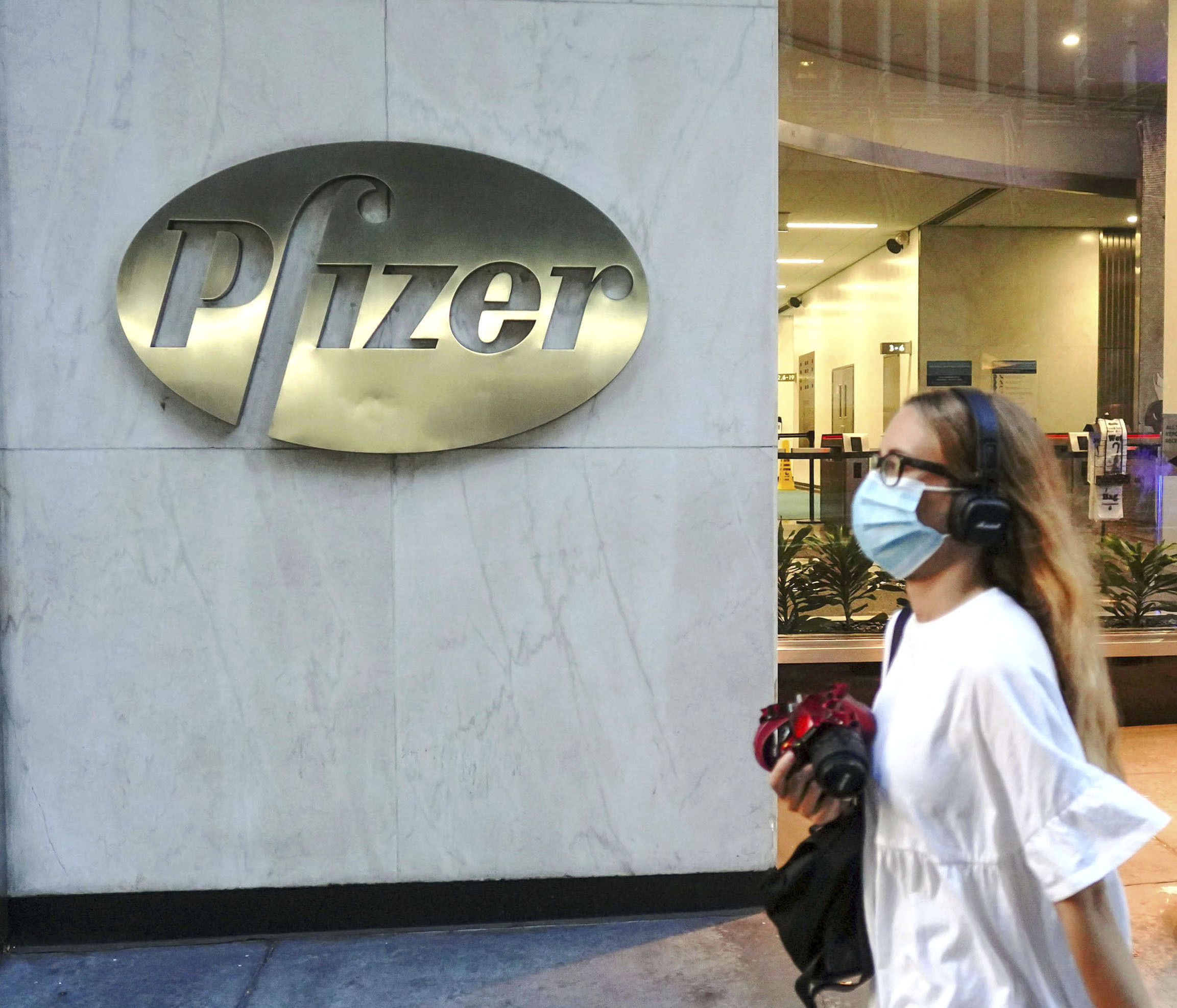
Pfizer’s Earnings: Scraping By in a Fierce Financial Landscape
Pfizer clawed its way to narrowly beat Wall Street’s measly expectations, revealing a $63.6 billion annual revenue for 2024—up 7% from 2023. Laughably modest gains, masked by celebratory tones, met an underwhelmed market with its stock barely breathing at flat rates post-announcement. Earnings per share of $3.12 merely squeaked past estimates of $2.97, and a fourth-quarter revenue of $17.8 billion—up a tepid 21% from the previous year—seemed less like growth and more like bare survival.
Downsizing Dreams or Corporate Austerity?
The pharmaceutical giant unveiled a ruthless cost-cutting agenda to “save” $4.5 billion by the end of 2025—and another $1.5 billion by 2027. This includes snipping away at manufacturing and halting some research and development programs. As if trimming innovation and resources will magically revive the company. Unsurprisingly, Wall Street remains skeptical, eying Pfizer’s future with raised eyebrows and cautious pens. Downsizing underlines the company’s struggle to align post-pandemic realities with pre-pandemic ambitions.
Dodging Disasters: The Boardroom Tug-of-War
Adding to the drama, Pfizer dodged an activist takeover of its board earlier this year, managing to keep a grip on its precarious leadership. The boardroom saga came as a sideshow to the company’s balancing act of acquisitions, pipeline expansions, and vanishing COVID-19 revenues. With external turbulence mounting, Pfizer’s internal stability looks less like a shield and more like a crutch.
A Pipeline Argument Fraught with Flaws
Riddled with patent expirations and dependency on acquisitions, Pfizer’s pipeline is a battlefield. The company’s $43 billion Seagen takeover for cancer drugs might sound strategic, but let’s face it—it’s a desperate scramble to shore up revenue as clinical trial timelines and competitive pressures close in. Investors remain unimpressed, rightly questioning whether these costly ventures will actually offer long-term returns or sink the ship further.
Regulatory Clashes: Medicare and More
Brace for another year of relentless Medicare price negotiations. Pfizer battled over Eliquis last year; now, Ibrance and Xtandi are under scrutiny. As if that wasn’t enough, the Trump administration’s emerging vaccine policies loom as another threat. Decisions on life-saving medications reduced to budget line items—it’s a grim showdown that Pfizer is woefully unprepared for.
GLP-1 Hype Deflates
Once hailed as a potential competitor to Eli Lilly in the weight-loss pill market, Pfizer’s GLP-1 candidate, danuglipron, has fizzled into oblivion. With clinical trials wrapping in January and no significant weight-loss data shared, the silence is deafening. Pfizer had a moment to lead a promising market but instead let the opportunity slip, leaving Lilly leagues ahead.
CEO’s Optimism or Empty Words?
Despite glaring challenges, CEO Albert Bourla’s statement dripped with hollow enthusiasm. Words about “sharpening focus” and “strategic priorities” read more like deflections than solutions. Investors aren’t sold, and neither should they be. The gap between ambition and actionable strategy is glaring, and Pfizer needs more than flowery statements to prove otherwise.
The Shadow of Past Success
Pfizer’s plight is a cautionary tale of a company once riding high on pandemic-era accolades but now wrestling with the harsh reality of post-COVID markets. The revelations of slim earnings growth, strategic ambiguity, and reliance on acquisitions paint a picture of a corporation teetering on the brink. Investors and critics alike have reason to watch this slow unraveling with unforgiving eyes.