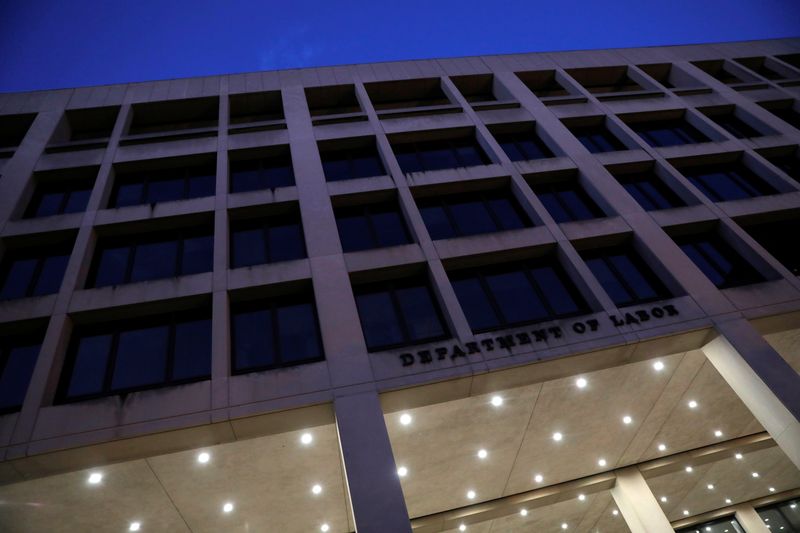
U.S. Labor Department Locked on Scale AI: What’s Really Happening?
The U.S. Department of Labor has taken a hard line against Scale AI, a tech startup with massive backing from Nvidia, Amazon, and Meta. This California-based data labeling firm now finds itself under sharp scrutiny for potential violations of the Fair Labor Standards Act. Yes, the same act that demands fair wages and ethical working conditions. The razor focus is on their practices, probing whether workers are truly treated as they deserve under the guise of accelerating AI innovation.
This investigation began nearly a year ago, during the Biden administration, and comes after loud concerns about compliance with fair pay standards and the treatment of contributors who fuel this AI powerhouse.
Corporate Sweet Talk vs. Grim Reality
Scale AI claims its contributor feedback is “overwhelmingly positive.” Their PR mechanisms purr with reassurances: payments made on time, inquiries resolved within three days, and systematic support in place. Sounds like paradise, right? But let’s rip off the façade—if it were all perfect, would the Department of Labor be knocking at their door?
One can’t ignore that this is a firm which leaped to a $14 billion valuation last year, boasting big-name clients like OpenAI, Microsoft, and Morgan Stanley. How much of that growth rests on the shoulders of exploited labor? And are the promises of fair treatment just polished words to dodge real accountability?
Millions of Contributors, but at What Cost?
Scale AI employs a web of contributors spread across 9,000 cities and towns, ensuring its AI products are second to none. These individuals, often working behind the scenes, fuel the very backbone of AI advancements. Yet the glaring question remains—are these workers paid fairly for their effort?
Workers worldwide diversify the tech landscape with their invisible labor, but when accountability surfaces, corporations like Scale AI reduce them to footnotes in their glossy success stories. The mission to satisfy investors overshadows the basic decency owed to the people who build their empires.
Nvidia, Amazon, Meta: Enablers or Silent Observers?
Scale AI isn’t an isolated entity. It’s backed by the most influential players in the tech industry—Nvidia, Amazon, and Meta. These tech juggernauts, championing innovations, are silent observers while their investment beneficiary faces accusations of unfair pay practices. Their association raises eyebrows; does this support imply consent to dubious labor conditions?
The scale of complicity here doesn’t just end at investment dollars. Big reputations ride on these ventures, but the silence from these tech titans exposes a chilling willingness to profit over ethics.
Billion-Dollar Valuation, Zero Excuses
The tech industry has a grim reputation for hiding labor exploitation behind shiny valuation reports and AI-enhanced rhetoric. Scale AI, hitting a $14 billion valuation last year, is no exception. With clients like OpenAI and Microsoft showering them with wealth, what excuse remains for neglecting the workforce driving this windfall?
This isn’t about aspirational growth; it’s about what lies beneath—the human cost of creating tomorrow’s technology. The Department of Labor’s inquiry isn’t just a legal matter; it’s a piercing spotlight on whether Scale AI’s success has been earned ethically or pilfered from the pockets of underpaid workers.
The Unanswered Question
Scale AI spokespersons remain determined, painting a rosy picture of compliance and contributor satisfaction. But beyond promotional narratives, how genuine is their commitment to labor ethics?
If contributors are critical to training advanced AI like OpenAI’s ChatGPT, why do allegations of mistreatment surface? Are we to believe that a company revered for precision-based AI labeling lacks the precision to follow labor laws?
The U.S. Department of Labor’s continued investigation may finally peel back the glamorized veneer cloaking the realities of Scale AI’s business model.
Source: finance.yahoo.com/news/us-labor-department-investigating-nvidia-232124028.html