Plummeting Shares and Shaky Ground: Intel’s Latest Struggles
What’s dragging Intel to its knees today? Once lauded as a colossus in the tech industry, Intel now stands synonymous with corporate missteps and market turmoil. The stock hemorrhaged value, diving over 4.1% within hours and experiencing lows exceeding 6%. These aren’t just numbers; they’re the embodiment of a company caught in the chaos of global trade disputes and unfulfilled promises. Wasn’t Intel once the face of innovation? Today, it reeks of uncertainty and failed ambitions.
Silence from Taiwan: A Deal in Doubt
Intel’s supposed salvation – a tantalizing deal with Taiwan Semiconductor Manufacturing (TSMC) – now teeters on the edge of fantasy. A Taiwanese economy minister spoke with bewildering clarity today, stating no knowledge of such negotiations. How does a multinational corporation allow mere rumors to propel speculative optimism, only for reality to annihilate it? Weren’t the boardroom gates of Intel secure enough to prevent such melodramatic fiascoes?
TSMC, a revolutionary leader in fabrication, requires explicit governmental approval to move ahead with any partnership. The silence from Taiwan isn’t just deafening, it’s damning. It throws into question Intel’s credibility and capacity to strategically maneuver in this hyper-competitive AI-driven tech market.
Chipping Away at China: The Revenue Squeeze
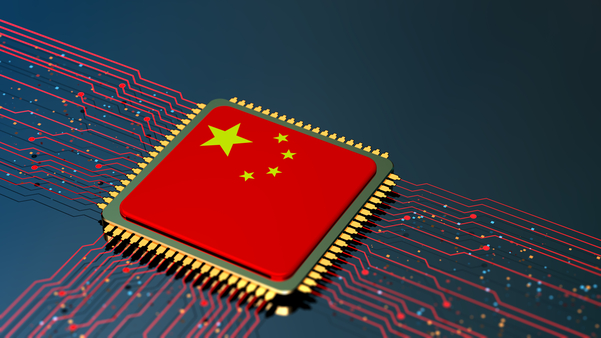
If Intel’s rumored deal drama wasn’t enough, the blows keep coming from Washington. The U.S. administration’s ominous threats to clamp down on chip exports to China are making tremors within intel’s walls. The Chinese market is Intel’s golden goose, accounting for a jaw-dropping $15 billion in revenue last year. Imagine what losing a chunk – or worse, the entirety – of that market would do to a floundering giant. It’s a scenario so dire it borders on corporate negligence.
How can a company of such magnitude, with billions at stake, allow itself to drift into the crossfire of global politics without a coherent contingency plan? The restrictions could eviscerate revenue streams, a disaster Intel simply cannot sustain at this point.
The Fruitless Chase for Innovation
Intel’s historic inability to keep pace in the AI sector is a festering wound. This is not new, yet the slowness to adapt is infuriating. Competitors sprint ahead, leaving Intel as a glaring example of missed opportunities and lackluster progression. Transformative deals, critical AI advancements—nothing materializes except louder echoes of unmet potential. Is inertia the company’s new mission statement?
Not even speculative rumors create lasting hope. Investors and industry professionals alike are left shaking their heads in disbelief. Once at the forefront of innovation, Intel now appears to be hustling backward.
Deteriorating Leadership and Questionable Strategy
The current leadership may as well hang a sign reading, “Work in Progress.” The market has no patience for unfulfilled promises, and Intel’s increasingly questionable strategies reflect ongoing incompetence. A spin-off of its manufacturing arm might have offered a beacon of hope, but that now feels like a pipe dream. The inability to secure definitive agreements or present a clear roadmap is not just astounding—it borders on corporate malpractice.
Intel: The Once-Giant Reduced to Speculation
Intel’s fall from grace isn’t just a story about a struggling business—it’s a reflection of broader catastrophes rooted in arrogance, stagnation, and poor foresight. How does a company, so intricately tied to the lifeblood of modern tech, lose its footing this dramatically? What bigger fallout awaits if it continues down this path unchallenged?
Source: finance.yahoo.com/news/why-intel-stock-sinking-today-175030441.html