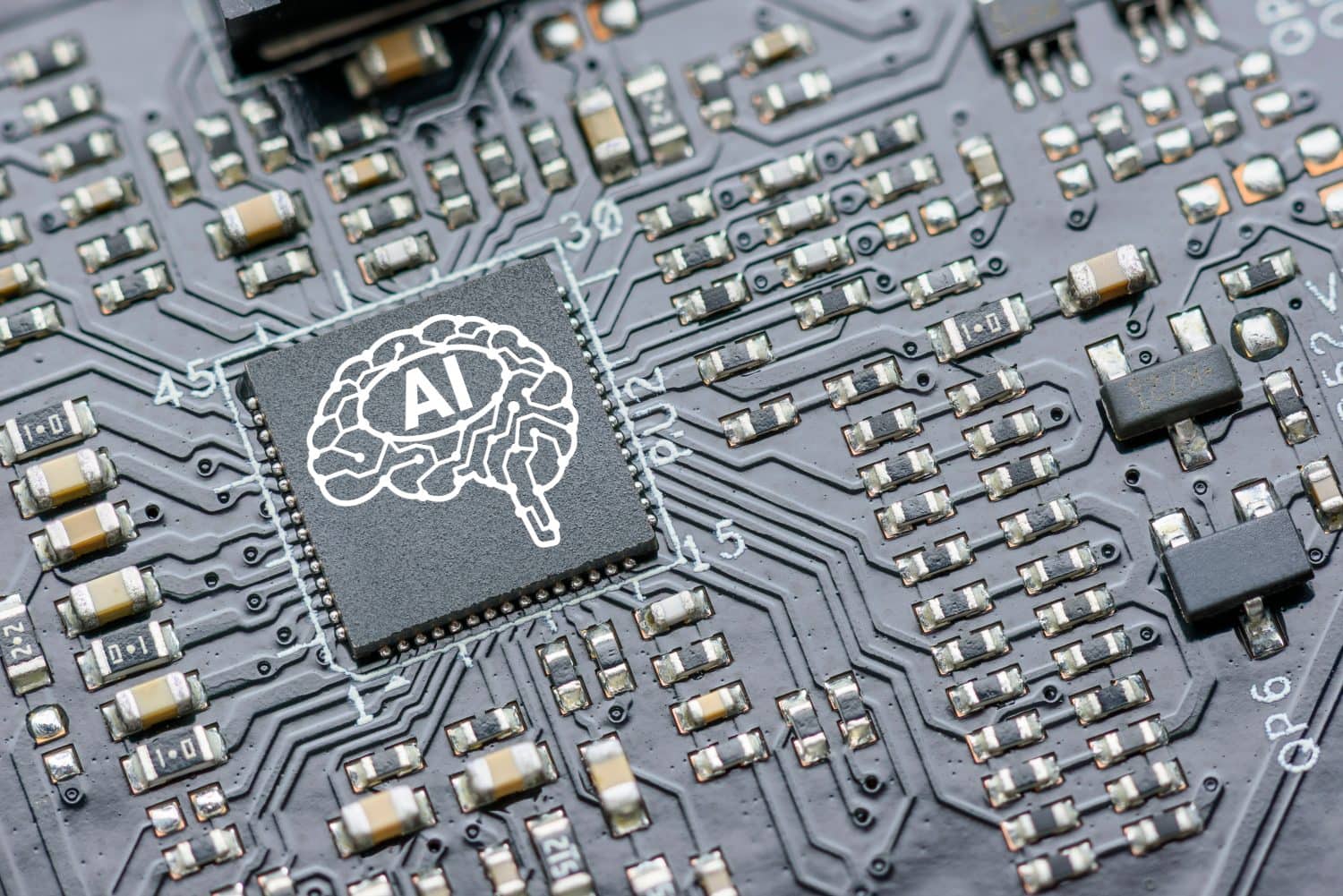
Apple Secures Control Over 50% of Taiwan Semiconductor’s 2nm Production Capacity
In a strategic maneuver that solidifies its position in the competitive tech arena, Apple (AAPL) has successfully secured more than half of Taiwan Semiconductor Manufacturing Company’s (TSMC) 2nm production capabilities for 2026. This significant acquisition is poised to power the next-generation iPhone 18 and MacBook M6 processors, granting Apple a vital edge in the burgeoning landscape of artificial intelligence (AI).
Impact of the 2nm Chip Agreement
This remarkable deal not only ensures a supply of cutting-edge chips but also substantially reduces Apple’s reliance on third-party semiconductor designs. By controlling a crucial aspect of its supply chain, Apple can integrate advanced AI features directly into its products, enhancing capabilities and user experience across its device ecosystem.
Taiwan Semiconductor’s U.S. Investments
In alignment with this partnership, Taiwan Semiconductor is committing to invest $165 billion in U.S. facilities, with expectations that approximately 30% of its 2nm output will originate from Arizona plants. This shift is a response to rising demand driven by AI innovations, effectively diversifying production and mitigating geopolitical risks associated with reliance on Taiwanese manufacturing.
Consequences for Rivals
Apple’s priority access entrenches its position while potentially restricting competitors like Intel (INTC) and Advanced Micro Devices (AMD) from obtaining sufficient supply of these next-gen chips. With TSMC’s primary Taiwanese plants already at capacity for 2026, rivals may find themselves at a disadvantage in meeting market demands.
Broader Industry Implications
This strategic reservation is expected to propel Apple ahead in technological advancement, particularly in AI-driven functionalities such as enhanced Siri processing and improved computational photography. Moreover, this initiative aligns with Apple’s ongoing transition towards custom silicon designs, allowing tighter hardware-software integration that bolsters battery efficiency and performance.
A Look Ahead for Apple and Taiwan Semiconductor
From a fiscal perspective, this collaboration secures a significant revenue stream for Taiwan Semiconductor, affirming its dominance in the chip manufacturing sector. However, the capacity crunch, driven by the demands of over 15 customers vying for 2nm manufacturing slots, could place pressure on TSMC to rapidly expand production capabilities.
Technological Leap with 2nm Nodes
Embracing smaller node sizes like the 2nm represents a pivotal advancement in semiconductor technology. Smaller nodes improve speed and power efficiency, essential for AI applications that require real-time processing in devices ranging from smartphones to wearables. Such technological innovations are critical in maintaining relevance as the industry evolves.
Conclusion
This acquisition not only underscores Apple’s adeptness in securing its future through strategic supply chain management but also sets the stage for unparalleled growth in the AI sector. For investors, this development signals long-term viability and potential in a landscape where chip shortages have become a pressing issue.
Source: finance.yahoo.com/news/apple-just-secured-more-half-163637444.html