The Energy Crisis Strangling AI Development
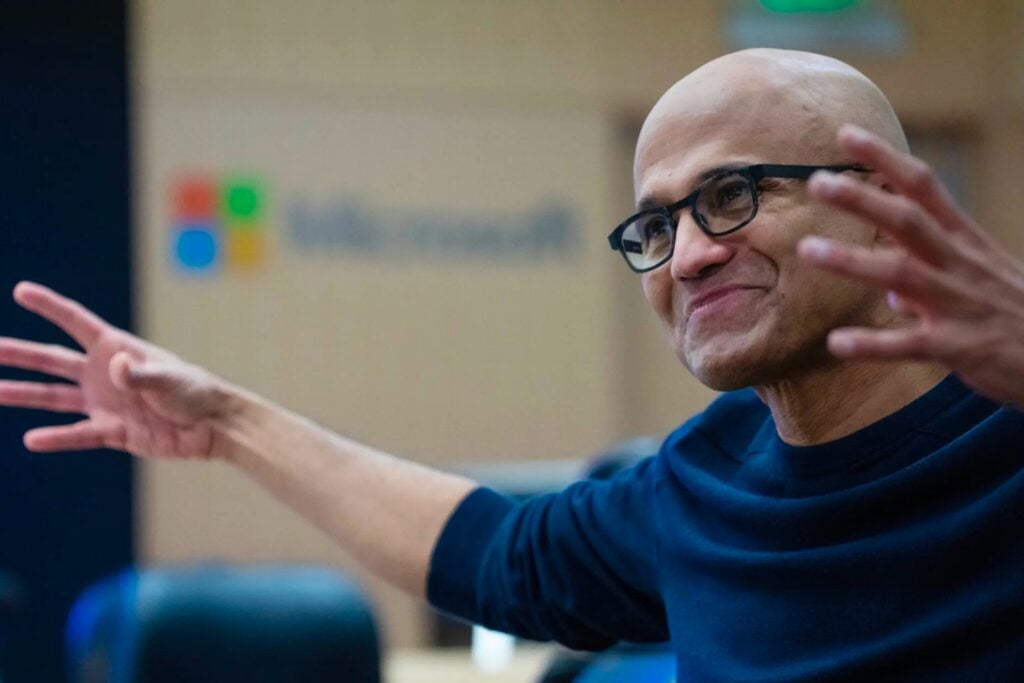
In a stark admission reflecting the shifting tides of technology, Microsoft CEO Satya Nadella revealed that the company is grappling with a critical insufficiency of energy to power its ambitious AI initiatives. During a recent appearance on the “BG2Pod” podcast, alongside OpenAI CEO Sam Altman, Nadella emphasized the unforeseen limitations presented not by a surplus of computing resources but rather by inadequate power systems to support the data centers essential for AI deployment.
Chips Available, Power Lacking
“The biggest issue we are now having is not a compute glut, but it’s power,” Nadella remarked. His candid evaluation points to a troubling scenario—data centers are either unfinished or simply not equipped with adequate energy and cooling capabilities to effectively utilize the plethora of AI chips Microsoft currently has at its disposal. This power shortfall has compelled Microsoft to slow down or even halt several early-stage data center projects, as part of what Nadella calls the “largest and most ambitious infrastructure scaling project” in the company’s history.
Industry-Wide Challenges
Similarly, industry giants like Alphabet Inc. (Google) have taken proactive steps by signing demand-response agreements with U.S. utilities. This enables them to temporarily scale back power consumption during critical grid events and to reschedule less urgent computing tasks to periods of low demand—an attempt to navigate the complexities of energy management amid soaring AI usage.
Amazon has not remained idle either; the company is actively enhancing data center efficiency while simultaneously supporting grid reliability amid escalating energy needs driven by growing AI demand.
Potential Contractual Pitfalls
Altman forewarned of risks tied to energy contracts, suggesting that if a more affordable energy source were to emerge, existing agreements might render many firms vulnerable. Such shifts could provoke significant disruptions, jeopardizing long-term operational stability for organizations reliant on fixed-cost energy contracts. He stressed that as computing costs decline, demand may surge, placing additional strain on infrastructures that are already pushed to their limits.
Power as a Strategic Asset
The dominance of reliable energy sources could well become the new competitive edge in technology. Microsoft holds a significant stake in OpenAI—approximately 27%—and possesses exclusive Azure cloud rights to OpenAI’s transformative models through 2030. Both entities intrinsically rely on stable and sufficient power to not only maintain current operations but to expand their capabilities.
As energy producers scramble to accommodate rising demands from tech enterprises, partnerships are forming that favor renewable energy outputs, such as 24/7 carbon-free energy arrangements. This alignment aims to ensure a growth trajectory that keeps pace with the explosive potential of artificial intelligence.
Future Projections
Anticipating the future, the International Energy Agency paints a daunting picture where global electricity consumption by data centers could double by 2030, potentially making up nearly 3% of the world’s entire electricity demand. This projection underscores the urgency for systemic changes within the energy sector to support not only the present solutions but also the monumental AI advancements lurking on the horizon.
As industry leaders like Microsoft, Google, and Amazon navigate these treacherous waters, one thing remains abundantly clear: the future of AI isn’t just about brilliant algorithms and innovative technology—it hinges significantly on the power that fuels it.
Source: finance.yahoo.com/news/microsoft-ceo-satya-nadella-admits-143026640.html