The Catastrophic Data Center Failure Impacting Global Markets
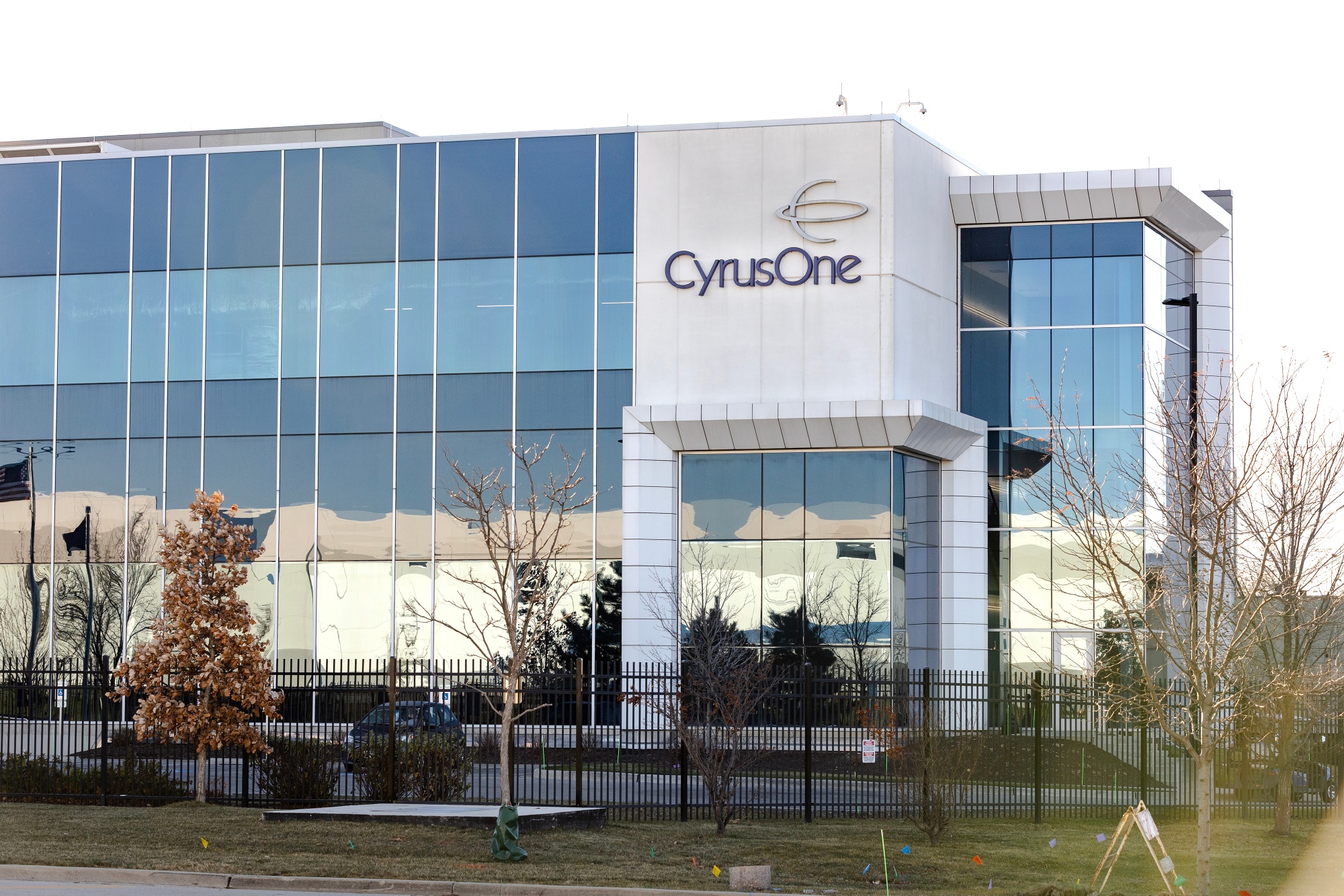
A seemingly mundane glass-encased data center located approximately 45 minutes west of downtown Chicago has emerged as a critical asset for some of the world’s largest financial markets. On a typical day, this facility, serving as the backbone for CME Group Inc., can process an astonishing $25 quadrillion in notional trade volume. However, on November 28, 2025, it became the epicenter of panic as a malfunction in its cooling system paralyzed CME’s futures and options trading platforms, sending shockwaves through global trading operations.
This Aurora, Illinois complex, architected nearly two decades ago, is a beacon for high-frequency traders and Wall Street firms who understand the grave importance of proximity to minimize data transmission latency. The obsession with reducing microseconds in trade execution led rival firms, such as DRW Holdings and Jump Trading, to invest heavily in infrastructure enhancements around the data center. As one former executive aptly noted, reading can clarify the high-stakes game at play in this financial battleground.
The Fallout from the Cooling System Catastrophe
The operator, CyrusOne, acknowledged the crisis and stated that its teams were working tirelessly to rectify the cooling failure that severely disrupted trading activities globally. Investors and traders, relying on precisely synchronized information, faced chaos as their platforms went offline. The facility had served as the backbone for CME’s electronic trading since it began construction in 2009, housing essential computer systems for the Globex trading platform. The facility, previously owned by CME prior to its 2016 sale to CyrusOne, was touted for its strategic importance in high-speed transactions.
The aftermath of this failure raises significant concerns regarding the infrastructure’s design and operational protocols, especially with cooling units specifically engineered to prevent such breakdowns. Industry experts argue that high redundancy is standard practice for data centers of this caliber, suggesting deeper issues within the operational model of CyrusOne’s Aurora location.
Market Reactions and Strategic Implications
CME’s decision to reboot its trading systems from the affected Aurora site rather than relocate operations to its potential backup facility in New York was rooted in a possibly misguided assessment of the downtime. According to insiders, the exchange believed the cooling issue could be swiftly resolved, an assumption that proved tragically incorrect.
This incident illustrates not only the vulnerabilities inherent in digital trading infrastructures but also the intense competition for data real estate among firms. Companies like KKR & Co. and Global Infrastructure Partners recognize the golden opportunity presented by growing data demands—highlighted by a staggering $11.4 billion buyout of CyrusOne in 2021. Such moves demonstrate private equity’s confidence in the accelerating needs of tech giants and AI developers, amplifying concerns over operational reliability.
Conclusion: A Wake-Up Call for Data Center Management
The Aurora debacle serves as a sobering reminder of the critical importance of operational robustness in data centers that underpin global commerce. Poorly managed infrastructure can lead not only to financial losses but also to a broader loss of trust in the markets’ digital frameworks. As industries increasingly rely on instantaneous data connectivity, the stakes only rise, making it essential for data center operators to fortify their systems against all conceivable failures.
Failing to secure such vital operational backbones could ultimately compromise entire economies, reinforcing the urgent need for a reevaluation of standards governing these crucial facilities.
Source: finance.yahoo.com/news/private-equity-owned-data-center-162049294.html