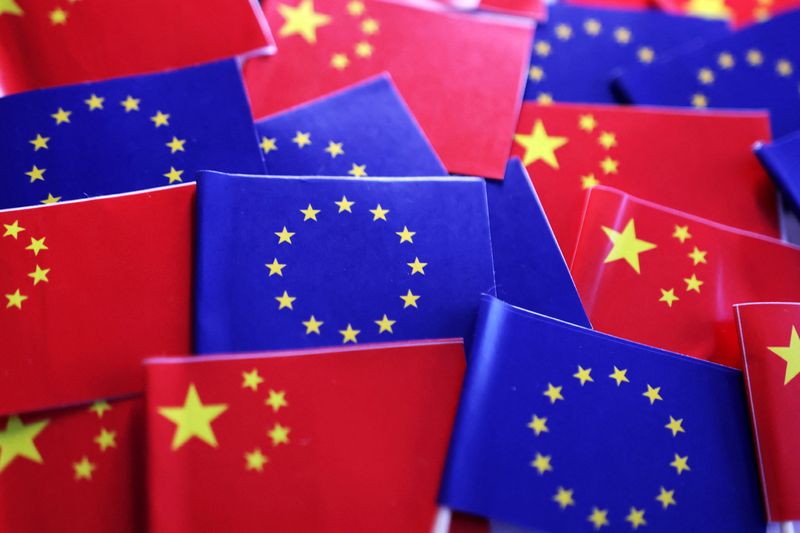
The Tangled Web of Global Trade: China’s Strategic Moves
In the complex arena of international commerce, China’s recent commitments signal both cooperation and an underlying tension with the European Union, particularly concerning the approval of rare earth exports. As the Chinese Commerce Ministry steps forward, the rapid examinations of export applications reflect a calculated attempt to alleviate strained relationships, but the rationale behind such machinations is anything but straightforward.
Rare Earths and the Pressure Cooker of Trade Relations
China’s willingness to expedite the approval process for rare earth exports to EU companies is not merely a gesture of goodwill; it is a strategic pivot in a high-stakes game. The reality is that the suspension of these exports has plunged global industries—including automakers and tech firms—into chaos. The stakes are high, and the pressure felt across supply chains has forced both sides to reconsider their positions.
The Underbelly of Negotiations
During a pivotal meeting in Paris, Commerce Minister Wang Wentao’s overtures towards EU Trade Commissioner Maros Sefcovic illuminated the complexities of today’s geopolitics. Behind the façade of cooperation lies a landscape littered with retaliatory measures and economic barriers. The Chinese government’s insistence on establishing a “green channel” for qualified applications can be seen as an attempt to placate European concerns while maneuvering for strategic advantage.
Brandy Trade: A Bitter Aftertaste
Compounding these tensions are China’s anti-dumping duties on imported European brandy, which have been met with outrage from French producers. These retaliatory tariffs, hitting brands like Hennessy and Martell, reveal the unyielding nature of trade disputes where economic tit-for-tat reigns supreme. How France and China navigate these waters will undoubtedly shape their economic futures and could dictate the broader balance of power between major global players.
The Countdown to Critical Decisions
The looming July 5 deadline set by China for a verdict on brandy import duties highlights the urgency of the situation. French firms have already begun submitting applications for price commitments, acknowledging the weight of diplomatic negotiations. Such moves reflect a broader effort to salvage a relationship fraught with commercial rivalry and mutual suspicion.
Electric Vehicles: A Market in Flux
Meanwhile, the discussions surrounding price commitments for Chinese electric vehicles destined for the EU market have entered a “final stage.” Yet, the progress achieved appears to be more of a balancing act rather than a genuine partnership. Both sides are caught in a web of regulatory red tape while attempting to avoid an all-out trade war. The prospective exploration of new technical paths indicates that while dialogue persists, substantive resolutions remain elusive.
Conclusion: A Delicate Dance
The intricate dance of negotiations paints a picture of a global trading system in turmoil, where the stakes are escalating and the consequences of miscalculation could reverberate far beyond borders. Stakeholders from both China and the EU must navigate these tumultuous waters, balancing national interests against the imperative for cooperation in an increasingly interconnected economy. The outcomes of these discussions will bear significant implications for the future economic landscape, underscoring the fragility of alliances amidst the titans of trade.
Source: Yahoo Finance
Source: finance.yahoo.com/news/china-says-may-speed-rare-072907831.html