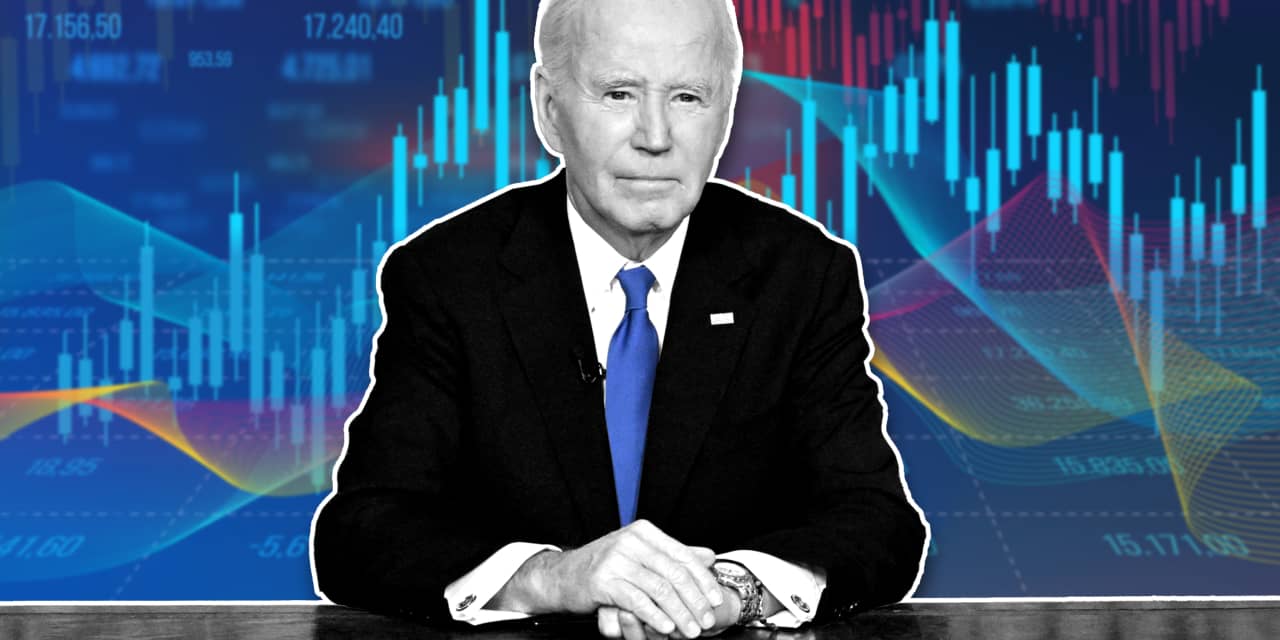
The Biden Market Surge: A Glittery Endgame or An Optimistic Illusion?
As the stock market closes the chapter on Joe Biden’s presidency, the numbers are gleaming with exceptional performance—at least on paper. The S&P 500 experienced a jaw-dropping surge of over 55%, the Dow Jones advanced 39%, and the Nasdaq leapt nearly 46%. Impressive figures, one might say. But what lies beneath these headlines of growth? Is this truly a story of economic triumph, or merely a convenient tale tailored to overshadow deeper systemic fragility?
The Bear Market of 2022: A Sinister Interruption
Biden’s tenure began amidst the shadows of the COVID-19 pandemic and an economic downturn. Yet, by the close of 2021, markets bloomed as if resurrected overnight, spurred by Federal Reserve policies that seemed to mimic monetary steroids. But the euphoria was rudely interrupted in 2022 with the worst market year since the financial catastrophe of 2008-2009. Inflation spiraled, interest rates shot through the roof, and global unrest—most notably Russia’s invasion of Ukraine—gnawed at any sense of stability. Conveniently, these disturbing realities are often swept under the glossy banners of “recovery” and “resilience.”
AI Mania and the Thin Veneer of Progress
Fast forward to 2023-2024, where the market drunk deeply from the intoxicating promise of artificial intelligence. Tech companies basked in the spotlight, their stocks skyrocketing as the AI frenzy became the narrative of the era. But was this propped-up tech-fueled rally truly linked to any policy genius? Absolutely not. Experts argue that the AI tailwind was years in the making, an independent beacon of economic activity detached from Biden’s administration. Yet, the timing couldn’t have been more fortuitous, cloaking some of the administration’s glaring economic missteps.
The True Cost of Reopening
The celebrated reopening of industries after pandemic lockdowns, financed largely by the 2022 Inflation Reduction Act, wasn’t without scars. This landmark policy may have stirred some industrial revival, but it left trails of elevated interest rates and a cruel bear market. Was it really an act of economic healing or simply a gamble with temporally favorable optics?
Into the Trump Arena: A Stage Set for Speculation
With Biden stepping aside, the spotlight inevitably turns toward incoming President Donald Trump. Wall Street, buzzing with anticipation, has already shown its eagerness to gamble on deregulation promises and corporate tax cuts. Yet, a darker undercurrent remains. The potential surge in inflation, the looming fiscal deficit, and the specter of volatile tariffs could unleash economic turmoil sooner than anyone cares to admit. Trump’s first term in office was no stranger to such upheaval; déjà vu is not entirely out of the question.
Double-Edged Market Optimism
Analysts like David Russell and George Cipolloni offer conflicting outlooks on the path forward. Will the market rally persevere under a Trump administration, or will the honeymoon collapse under inflationary pressures and rising Treasury yields? If there’s one undeniable fact, it’s that the market remains tethered to a volatile dance of optimism and fear, a precarious balance that could shatter with the faintest misstep.
As Trump prepares to take office once again, policy watchers remain divided. Will tax relief strategies unravel another chapter of Wall Street jubilation, or will sky-high interest rates awaken investors to a brutal reckoning?
The Closing Bell: Glimmers Amid the Shadows
As Biden’s term ends and Trump’s begins, the U.S. stock market enters an era of consolidation, suspense, and uncertainty. Amid the glowing statistics and market rallies, the underbelly of economic discontent continues to bubble. For every gain celebrated, there’s an equal and opposite force poised to redefine reality—sometimes far from celebratory. In the end, whether the next chapter reads as success or disaster is as much a story of policy ambition as a test of structural endurance.
Source: finance.yahoo.com/news/final-look-u-stock-market-100400859.html