Market Turmoil Exposes Economic Chaos
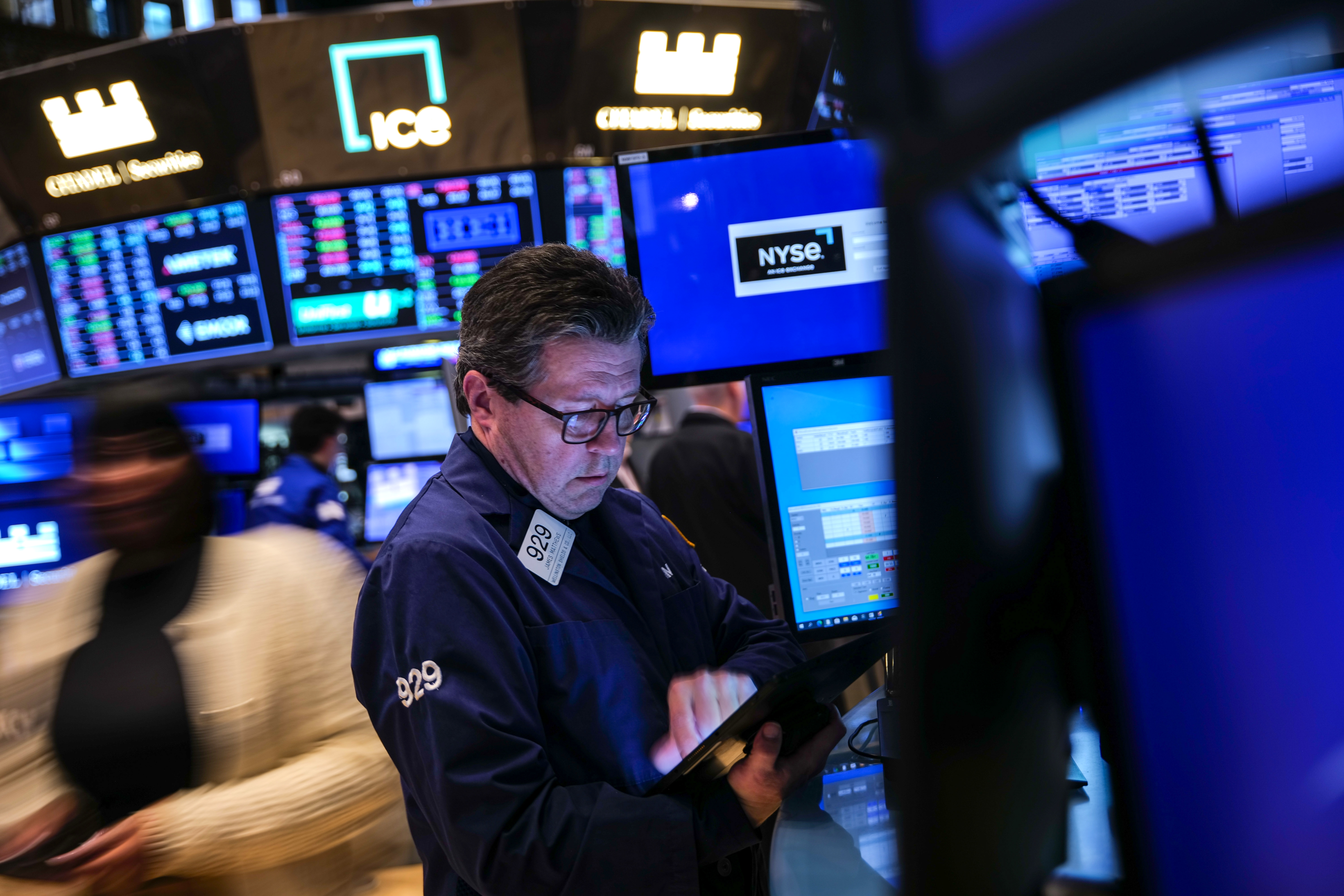
Drenched in volatility, the stock market experienced a cacophony of blows on Tuesday as President Trump’s erratic tariff policies wreaked havoc. The S&P 500, teetering on the edge of correction territory, plunged by 0.8%, closing just under 5,600. The Dow Jones dropped by 1.1%, bleeding over 500 points, dragged down chiefly by Verizon shares. Meanwhile, the Nasdaq Composite barely stood upright, reversing earlier gains to dip by 0.2%, marking the lowest levels across all three indexes since September.
Every breath the market took reeked of uncertainty as Trump’s threats to amplify tariffs on Canadian metals to 50% induced waves of distrust. While Canada’s Ontario government retaliated with a surcharge on US electricity supply, Trump’s retaliatory moves to “shut down Canadian automobile manufacturing” demonstrated a scattershot economic strategy smearing consequences across multiple sectors. Stocks, yet again, bore the brunt of such reckless vendettas.
“Magnificent Seven” Collapse: A Symbol of Market Instability
Revered tech giants once fueling Wall Street’s successes, famously labeled as the “Magnificent Seven,” now lie crumbled and exposed. Their coordinated collapse sparked seismic tremors within a fragile economic framework. Tesla, Nvidia, and other household names saw their invincibility evaporate as their overhyped valuations turned to ash. As a result, confidence in market stalwarts sank below freezing points. Panic nests were evident as once-reliable pillars shattered, leaving investors grappling for answers in a landscape obliterated by shortsighted governance.
Airlines Hit Hard Amid Consumer Hesitation
Domestic demand imploded unexpectedly, resulting in the decimation of airline stocks. Delta Air Lines, down by a catastrophic 9%, spearheaded this collapse after slashing its quarter forecast. United Airlines followed close behind, slumping due to similar fears, amplified by national tariff escalations. Meanwhile, Southwest Airlines unceremoniously ditched their free bag policy, deserting years of customer goodwill in a desperate act to claw back profitability. Such scenes expose an underlying decay in consumer confidence spurred by relentless macroeconomic ambiguities.
Fickle Confidence in American Markets
Wall Street strategists are abandoning their faith in American exceptionalism. Citigroup downgraded US markets from “Overweight” status, attributing the shift to flimsy economic foundations paired with erratic political theatrics. Juxtaposed sharply, European markets flourish amidst American decline, signaling a global reorientation away from unreliable US investments. Onlookers witness Trump’s trade policies chiseling away decades of earned global financial dominance.
Trump’s Second Term: Economic Tornado or Transition?
Declaring the economic mayhem as “a transition phase,” the White House willingly accepts US markets’ implosion, scapegoating previous administrations. Trump’s vanity project—massive trade and tariff escalations—remains uncompromising, gambling with American livelihoods. Simultaneously, his administration praises fleeting GDP growth while market collapses and layoffs cast shadows over glossy claims. The gulf between reality and rhetoric widens, threatening to irreparably erode trust in US resilience.
Labor Market Data Adds Fuel to Uncertainty
Job openings rose to 7.74 million by January’s end, indicating mixed signals about the labor market. While recruitment rates appeared steady, cracks grew apparent as resignation rates edged upward, reflecting fragile worker confidence. Such conflicting metrics amplify fears surrounding impending stagflation. With inflation and economic stagnation looming, difficulty in painting an optimistic narrative amidst uncertainty becomes a humiliating exercise for policymakers.
A Glimpse of Financial Displacement
Stocks aren’t the only entity under siege; gold prices soared beyond $2,900 per ounce amidst wavering investor confidence. Once a financial hedge, gold rose as the embodiment of market distrust. High-stakes uncertainty surrounding prospective Federal Reserve policies and the escalating tariff drama further catalyzed this rush into presumed safe havens.
The Clock Ticks for Stability
As Wall Street endures a relentless barrage of poor economic forecasts and volatile tech routs, the broader economy shudders from tremors of failed leadership and reactionary policies. No clarity emerges; no refuge stabilizes. Tariff reign, shattered foreign partnerships, and fledgling consumer confidence cast haunting shadows. A tumultuous storm brews relentlessly while silence from tangible solutions deafens hope.