Debt Spiral Alert: The U.S. Teeters on Fiscal Disaster
The Congressional Budget Office (CBO) has laid bare a grim projection: if President Donald Trump’s cherished tax cuts become permanent, U.S. public debt could skyrocket to over 200% of GDP within decades. The doomsday clock ticks ever closer, yet for all their supposed fiscal responsibility, political leaders are locked in a diabolical dance of denial.
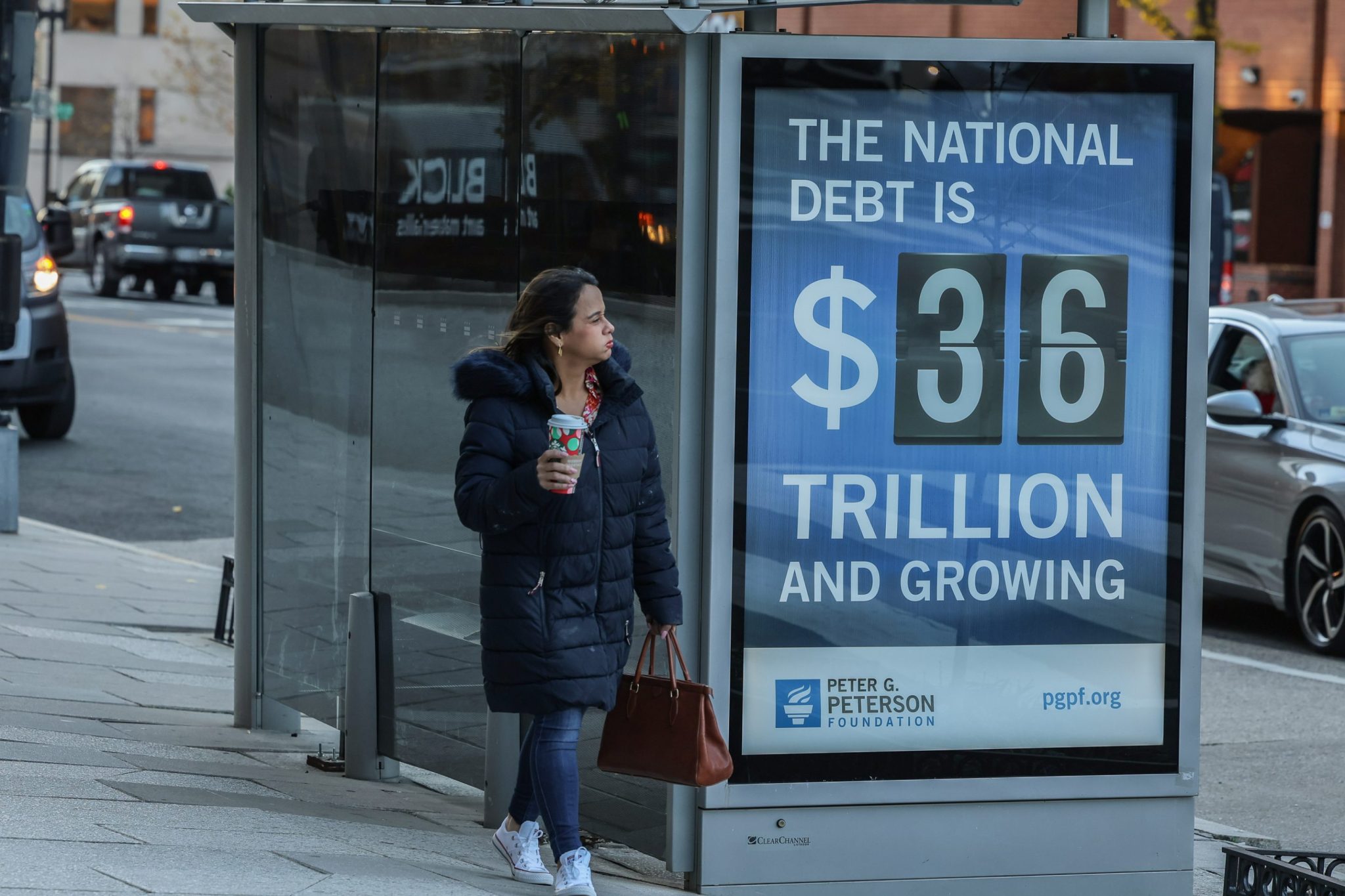
The very idea of extending the Tax Cuts and Jobs Act—a notorious political trophy—promises nothing short of a budgetary hellscape. Current debt figures already balloon to $36 trillion, with an unfathomable $1 trillion spent yearly merely to service it. This fiscal insanity surpasses the Pentagon’s budget, all while debt continues to aggressively mount under the complacent eyes of policymakers.
A Disturbing Lack of Financial Sanity
Let the numbers speak for themselves: if Trump’s tax cuts become a permanent fixture, public-held debt would explode to 214% of GDP by 2054, even under the most favorable conditions. Should borrowing costs rise—as they inevitably will in this rapidly degenerating financial framework—debt levels could surpass 250% of GDP within the same timeline. Are we seriously willing to gamble national solvency on hypotheticals and rosy economic assumptions?
The stock responses of administration officials, promising growth through deregulation, tariffs, and energy production, come off as ghastly and hollow. While they preach about supply-side miracles, a reality drenched in unsustainable debt and soaring borrowing costs looms dangerously close.
The Hypocrisy Behind Fiscal Conservatism
Astoundingly, even the doctrine of fiscal conservatism crumbles under scrutiny. While some Republican lawmakers have requested CBO projections to paint a clearer picture of the fiscal devastation, they continue to champion the very tax policies that dig this financial grave deeper. Debt-to-GDP levels that outpace even post-World War II records signal the reckless triumph of short-term political gains over long-term national stability.
An official White House justification speaks volumes of its fallacy—pointing to tariff revenue and supply-side optimism to address an avalanche of debt. Yet, how can tariffs, which supposedly “raised hundreds of billions of dollars,” offset a fiscal imbalance this colossal? The numbers remain painfully out of sync.
Warnings Ignored: The Experts Speak
Voices of reason like the Peter G. Peterson Foundation and investor Ray Dalio are met with uncomfortable silence. These groups forecast doom where blind optimism prevails. Massive debt burdens mean global markets will tighten their grip, creating financial whirlwinds of “shocking developments,” from potential debt restructurings to forced monetizations. In simplest terms, the system is rigged to fail, but no one dares halt this catastrophe in motion.
Beyond Borrowing: Lessons Unlearned
The Penn Wharton Budget Model offers a stark warning: crossing the 200% debt-to-GDP threshold is uncharted and unsustainable territory. Even under “favorable” assumptions, no market—domestic or global—can feasibly accommodate this scale of government debt without eventual collapse. The U.S. isn’t Japan; domestic savings can’t cushion this devastating blow. The breaking point nears, with cascading effects likely to rupture earlier than some care to admit.
Wake up, policymakers. The echoes of economic prudence have been drowned by hollow promises and political showmanship. Every supple whisper of “macroeconomic feedback effects” spelling salvation only tightens the noose further around the neck of future generations. But why care? Accountability seems to vanish among those wielding the levers of power.
The Road to Ruin
The CBO outlines no sugarcoated exit here. If public debt crosses beyond 200% of GDP, it violates even the most lenient thresholds of global fiscal stability. Financial markets, faced with government disarray, simply will not forgive this level of mismanagement. Adding a 1% rise in borrowing costs pulls this timeline terrifyingly closer.
Needless to say, national debt is no longer a ticking time bomb. It’s a roaring inferno, devouring resources, straining public trust, and setting the stage for geopolitical instability. Yet amidst it all, the architects of this crisis only clamor for applause. How much longer can their dangerous games persist?
A Future in Flames
There are no silver linings in this narrative. The American public faces a grim reality of worsening debt, runaway borrowing costs, and political actors unwilling to prioritize stability over partisanship. The Cross of Debt is the ultimate inheritance, and unless tectonic economic shifts intervene, the story will continue to sour. One must simply wonder, when will the bubble finally burst? Or has it already begun?
Source: finance.yahoo.com/news/us-debt-could-explode-above-171734212.html