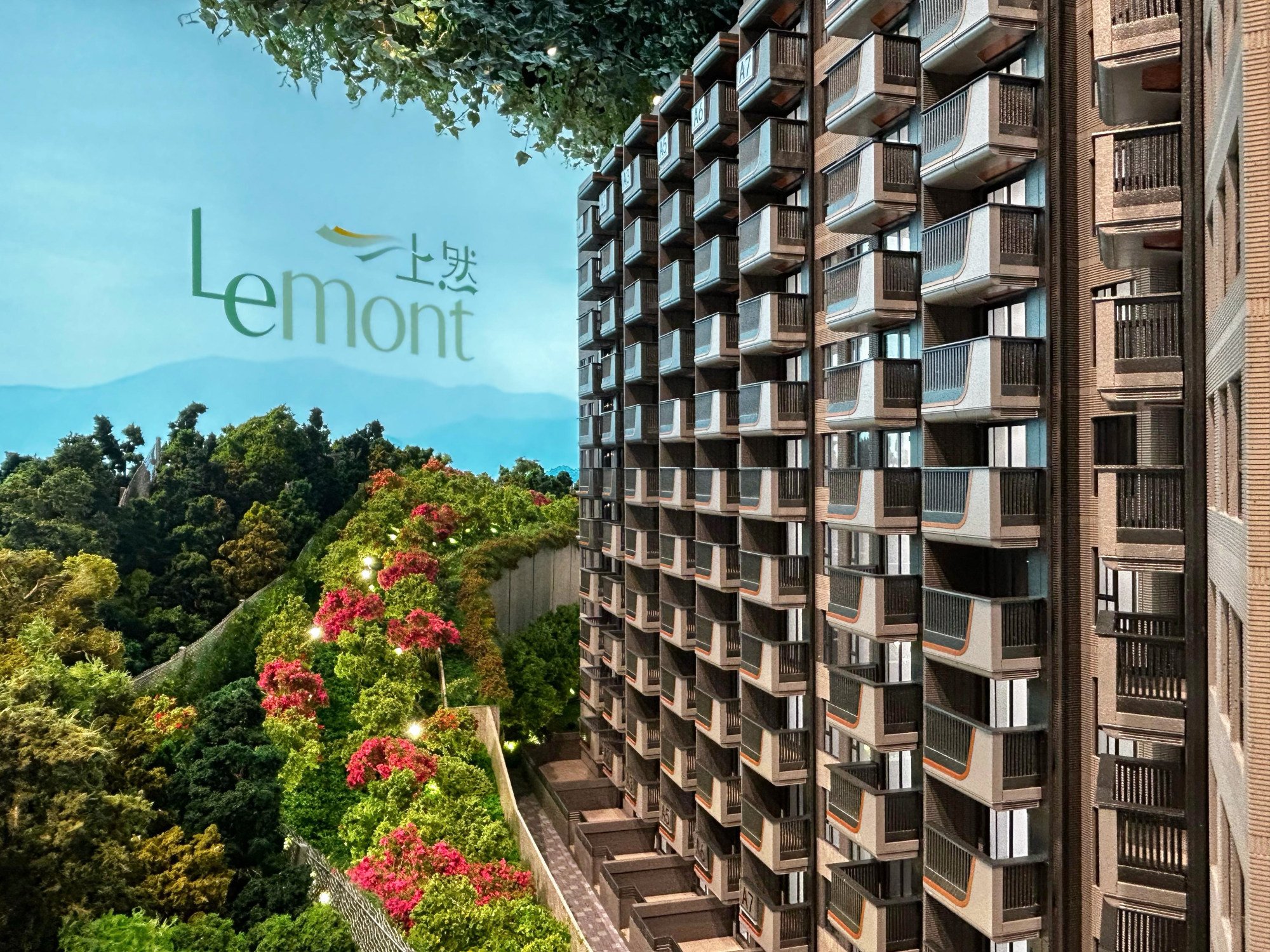
The Fragile Facade of Le Mont: A Project Cloaked in Doubts
162 units sold out of 228 – a superficial triumph for China Vanke’s latest Tai Po venture, “Le Mont.” Dig deeper, however, and the cracks in this narrative are more glaring than the polished façade of the project’s brochures. Despite soaring demand, with 7,418 applications received for slots and nine banks reluctantly agreeing to extend mortgages, an undeniable shadow of distrust looms over this real estate spectacle. Why? The answer lies in the quicksand foundation that is Vanke’s financial health. The “once-king” of China’s developers now stumbles under a suffocating debt load of nearly $5 billion in maturities just this year.
An Oversubscription Masking Catastrophe? Hardly
Yes, the prices of these residential units, ranging between HK$9,185 and HK$14,392 per square foot, might appear competitive – even slashing over 30% compared to similar properties in Tai Po a mere two years ago. Yet cheap pricing smells oddly opportunistic when one recalls Vanke’s looming liquidity crisis and a projected net loss for 2024 of 45 billion yuan. A name, once synonymous with reliability, now fights off the stigma of heightened risk.
The Banks’ Reluctant Tango with Vanke
Let us not brush off the reality hidden in plain sight: several key banks initially turned their backs on offering mortgages for this project. Standard Chartered and Chong Hing Bank outright rejected applications, their legal teams scrutinizing Vanke’s faltering capacity to meet its obligations. After much hand-wringing, a handful of financial institutions begrudgingly stepped into the fold – HSBC, Bank of China (Hong Kong), and ICBC (Asia) – but the caution remains palpable. No one is betting big on Vanke’s supposed “comeback.”
Stamp Duty & Market Recalibrations – the Real Catalysts?
The irony here is unmistakable. Just as the Hong Kong government swooped in to cut stamp duties on small flats, transaction activity rebounded, painting a rosy picture of “market resilience.” It conveniently obscured the fact that these sales were buoyed not by developer confidence but by heavy discounting. A desperate sales gambit, not a market revolution. In March alone, over 1,330 new home sales were recorded, a massive uptick compared to January and February numbers – but at what true cost?
The Ratings Game: From “Stability” to “Sinking Ship”
No matter how heavily marketed, risk does not disappear simply because units sell. Fitch Ratings chipped away at any remaining optimism earlier this year, slashing Vanke’s long-term foreign and local-currency ratings from a concerning B+ to a nerve-wracking B-. As for Vanke Hong Kong? It slid into a CCC+ rating. This is not merely a matter of optics; it vividly illustrates the catastrophic trajectory of a once-titanic company.
The Mirage of Recovery Amid a Property Downturn
Three years of property market downturn in Hong Kong provide a grim backdrop, with Le Mont now positioned as a “symbol of opportunity.” A symbolic flag for recovery? Or yet another mirage crafted to lure buyers into a long-term gamble on unfinished promises? Perhaps, Vanke’s story encapsulates the broader calamity of China’s prolonged property slump. The big question looms: is this a fleeting market recovery or just a baited trap?
Few investors, if any, can ignore the staleness of optimism surrounding once-gilded names like Vanke, as their “competitive pricing” begins to smell more like distress sale pricing. With the project slated for completion by July 2026, the industry waits, holding its breath – not in anticipation but out of sheer trepidation.
Source: finance.yahoo.com/news/china-vankes-le-mont-project-093000888.html