Hong Kong: The Financial Battleground of Trillions
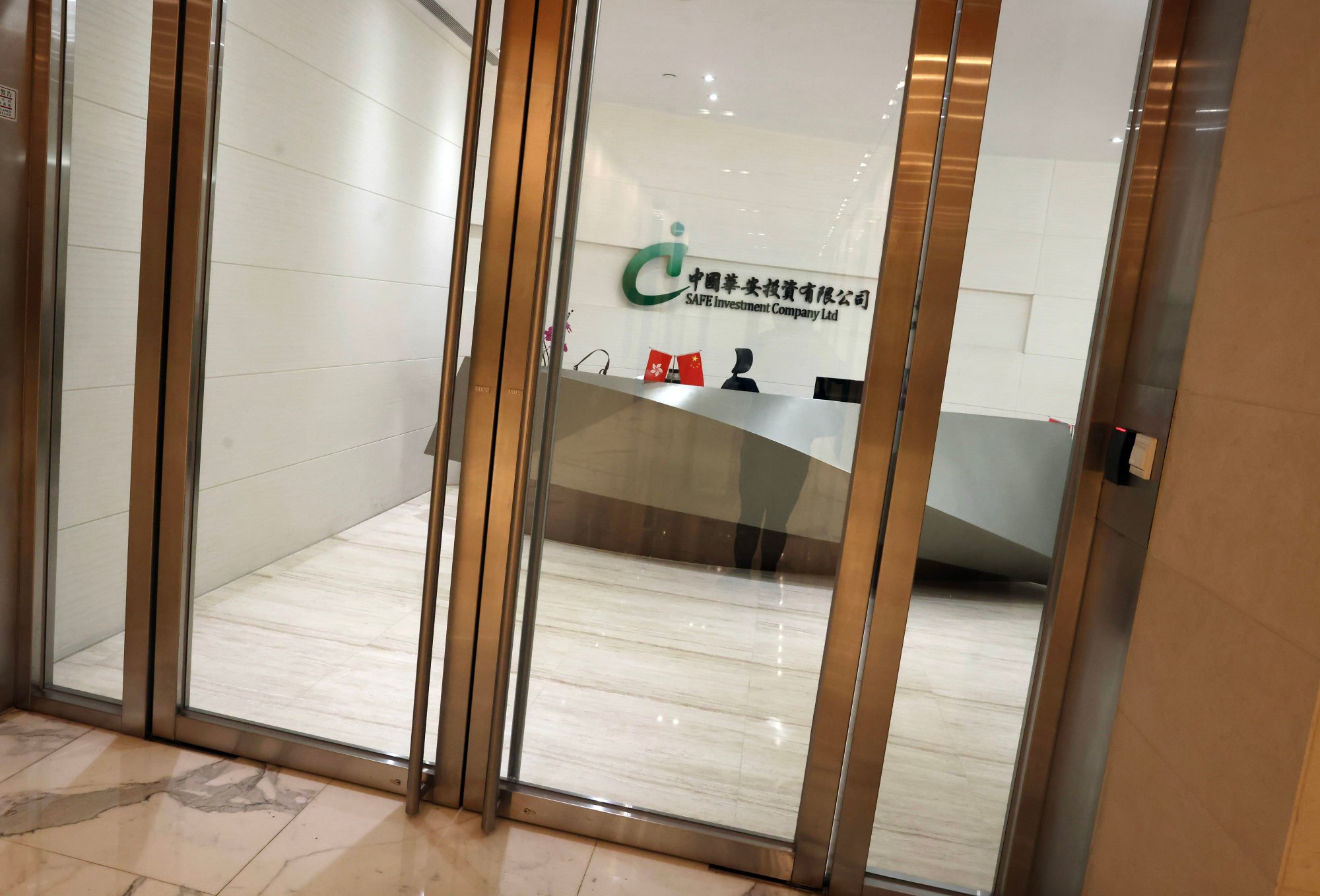
Halfway up a mundane 37-story tower in Hong Kong near the People’s Liberation Army barracks sits an office that holds the reins of a staggering portion of China’s wealth. SAFE Investment Company, operator of nearly a third of China’s colossal $3.227 trillion foreign exchange reserves, represents Beijing’s power play in international finance. This unassuming HQ in Hong Kong, painted in sterile grays with just two diminutive flags, masks the heavy economic artillery at its disposal.
China’s Shifting Strategy: Pulling Away from U.S. Treasury Dependency
The numbers reveal an ominous narrative. At its peak in 2013, China hoarded $1.3 trillion in U.S. Treasuries. Fast forward to recent times, and that figure has hemorrhaged to $759 billion. Why this retreat? Geopolitical strife and the looming fiscal uncertainties of the United States have rendered these “gold-standard” securities less appealing, compelling Beijing to glance elsewhere.
Enter Hong Kong, a financial safe haven tightly tethered to the U.S. dollar, yet designed to bow beneath Beijing’s commands. SAFE’s maneuver of beefing up Hong Kong’s reserves signals a calculated departure from Washington with a parallel fortress being erected against international volatility.
The Bolstering of Hong Kong’s Market
Proposals floated by Pan Gongsheng, governor of the People’s Bank of China (PBOC), suggest pumping rivers of cash into Hong Kong’s market. A medium-term allocation increase to 30% of China’s reserves could funnel $400 billion into Hong Kong stocks and bonds, with whispers pointing toward an eventual allocation hike to as much as 50%. Such sums absolutely dwarf what the city’s financial arteries have ever witnessed, sending seismic ripples across its liquidity and investment sentiment.
Hong Kong Monetary Authority (HKMA) chief Eddie Yue barely attempts to hide his enthusiasm. At a recent briefing, Yue stressed that an influx in SAFE reserves would not only prop up Hong Kong’s equity and bond markets but also fortify the city’s credibility as a financial hub amidst Sino-U.S. cross-currents. The endgame? Cement the city as an unshakable pillar of China’s global financial domination strategy.
The Implications: Geopolitics Meets Market Strategy
For China, Hong Kong offers more than convenience—it is leverage. By potentially shifting foreign exchange holdings into Hong Kong’s economic ecosystem, Beijing signals its ability to undermine Washington through alternative reserve management strategies. This isn’t just a financial pivot. It’s a geopolitical chess move meant to reduce American influence while fortifying its own territories against outside economic aggression.
The potential overflow of roughly $300 billion into Hong Kong dollar-denominated bonds would supercharge its bond market almost overnight. The timing? Impeccable. As Washington bickers internally and the Trump administration stares down the barrel of domestic discord in its second term, Beijing shunts its reserves into potentially more reliable shores. It’s a gamble, no doubt—but one Beijing seems confident to take.
SAFE: More than One Weapon in Beijing’s Arsenal
Don’t be fooled into thinking SAFE is the lone player in China’s economic stratagem. While it amplifies Hong Kong’s financial clout, other vehicles such as China Investment Corporation wield billions in offshore dominance. Combined, Beijing deploys a small army of financial institutions to cement influence, with Hong Kong becoming ground zero for current hostilities.
Meanwhile, SAFE itself is undergoing a transformation led by figures like Cheng Hao, a veteran of financial crises who once managed stakes in state enterprises amid market meltdowns. Under Cheng’s eyes, Hong Kong emerges as both a financial ark and a weapon for Beijing’s counter-moves against Western financial hegemony.
Risk and the Fragile Currency Link
Beijing’s plans come with veiled threats to speculators and adversaries alike. A consolidated Hong Kong dollar, underpinned by a surge in SAFE-backed reserves, sends not-so-subtle messages to currency predators eager to stability-test the HKMA’s dollar-pegged exchange rate. If liquidity concerns emerge, even a whisper out of the PBOC could plunge the market into chaos—or prop it up spectacularly.
Yang Jianwen and others argue that the survival of the Hong Kong dollar depends not solely on economic fundamentals but also on Beijing’s visible grip. Beijing’s ability to use HK as a battleground to hedge geopolitical pressure imbues the city with daunting significance, ensuring that its fate is permanently intertwined with the whims of mainland policy architects.
The Emerging Significance of Hong Kong in Sino-U.S. Rift
As SAFE and PBOC consolidate Hong Kong’s role in China’s broader global financial ambitions, they also craft a narrative beyond simple financial gain. Hong Kong emerges as a testing ground, a warning to global markets, and a testament to Beijing’s capacity to recalibrate its dominance. Every dollar moved away from U.S. Treasuries and into Hong Kong portfolios symbolizes financial posturing and geopolitical messaging. The balance of power is shifting, and little seems to stand in Beijing’s way.
Source: finance.yahoo.com/news/safe-hands-chinas-secret-plan-093000683.html