The Illusion of Stability in Global Markets
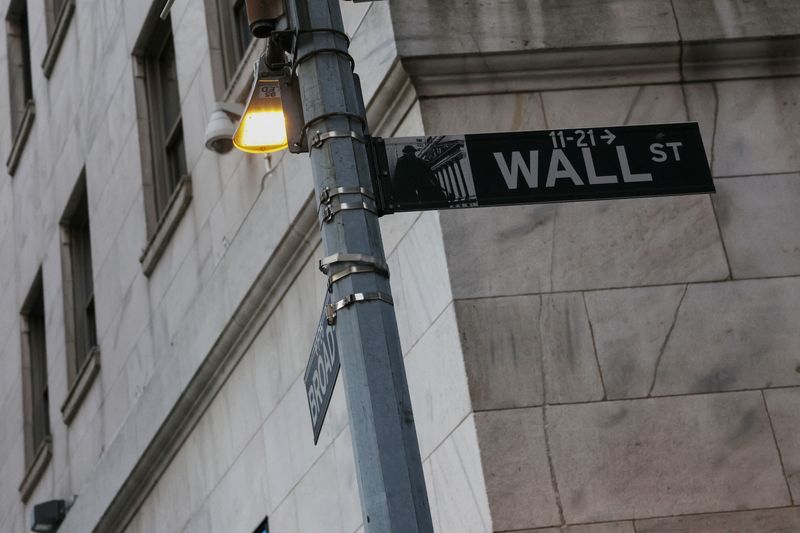
As Wall Street grapples with instability, European markets soar triumphantly. Reports of a less-than-stellar U.S. retail sales figure have done little to quell the lurking fear of a decaying American economy. Despite mild comfort from superficially “positive” details in consumer spending, the markets remain a battleground of anxiety and uncertainty.
The S&P 500 might have steadied, but the so-called “Magnificent Seven”—tech giants crucial to market movement—continue to drown. Another disturbing day for Tesla, with a 5% nosedive, showed the fragility of U.S. equities. This downward spiral isn’t a mere dip; it’s a glaring signal of misplaced optimism and an unsustainable economic landscape.
Europe’s High-Stakes Gamble
Meanwhile, Europe marches forward as Germany, often seen as the stabilizing force of the continent, prepares for a debt-fueled spending spree. This “massive borrowing surge” promises hope to some, but at what cost? While European stocks climb an additional 1%, buoyed by German midcaps, one can’t help but wonder if this is just another bubble waiting to pop.
As the European Central Bank watches on, the Bank of England finds itself cornered. The whisper of potential policy changes is now a deafening roar as interest rates remain rigid and the U.K.’s economic stagnation reveals Britain’s dwindling resilience. Will the BoE finally act, or will it hide behind its usual indecision and delay tactics?
The BoE’s Reluctant Tightrope Act
Staring down the barrel of political scrutiny and economic underperformance, the Bank of England teeters between doing something substantial or pretending “gradualism” still matters. Catherine Mann’s controversial leap from hawkish policymaker to aggressive advocate of a rate cut highlights the institution’s internal chaos.
This sudden pivot by Mann isn’t mere theatrics—it causes ripples. Her insistence on slashing rates by an aggressive 50 points sharply contrasts with her past record. Mann’s transformation offers one truth: small, incremental policies in an era of volatility are as useful as a trickle of water in a fire. Yet, other policymakers cling stubbornly to outdated approaches, perpetuating Britain’s economic paralysis.
Disrupted Global Trade and Leadership Eclipse
Adding fuel to this chaotic inferno is the incessant meddling of geopolitics. Trump and Putin’s backdoor deals on Ukraine, Canada’s rebuke of U.S. disrespect, and looming tariff expansions create an absurd cocktail of uncertainty and damaged alliances. These players undercut diplomatic decency with impunity, while ordinary citizens brace for the fallout of inflation and stagnation.
America, the “exceptional” powerhouse, now finds itself combating stagflation and its own self-inflicted wounds from reckless fiscal policies. The cracks in this supposed fortress are evident, shaking global faith and reshuffling the balance of trade influence. If Wall Street mirrors the health of the U.S. economy, then consider it terminally ill.
Tech Titans Falter, China Steps Ahead
Yet another blow comes as Tesla leads the parade of U.S. tech giants faltering. Falling 40% year-to-date, its decline is a glaring neon sign of an economy over-reliant on hype. While Elon Musk wrestles with repeated blows to his empire, China’s BYD surges ahead, boldly stomping to a 40% gain this year alone. A platform promising “gas-pump-speed” EV charging and expansion of charging networks isn’t just innovation—it’s a declaration of war against its flagging competitors.
The comparison isn’t just stark—it’s humiliating. For every falter from Tesla, Chinese competitors step into the light, redefining both market dominance and technological ingenuity. If this trend holds, where will the U.S. find its foothold in the innovation economy?
Inflation, Borrowing, and the Deafening Noise of Silence
As Germany bets its future on monumental debt and Europe hails this gamble as salvation, monetary policymakers across the globe remain paralyzed. With inflation persisting and economic performance deteriorating, central banks offer little but faint excuses and cautious inaction. The Federal Reserve’s predictable rate freeze speaks to a global leadership vacuum, where decision-makers sit in walled-off towers, shielded from the consequences of inaction.
The pressure on the BoE, the Federal Reserve, and others to cut through the noise is deafening. Catherine Mann’s admonition couldn’t be clearer: gradualism no longer works. But central banks, including the BoE, wallow in habitual indecision, clinging to outdated paradigms of inflation control and growth stimulation. The stakes couldn’t be higher, yet the players falter, choosing caution over courage.
The Inevitable Reckoning
The narrative unfolding on Wall Street, in European financial hubs, and in global diplomatic circles reveals an unsettling pattern—a collective failure to adapt. While the illusion of progress is sold through temporary market steadiness and short-term monetary policies, the foundational cracks in the global economic system widen with every passing day.
Germany’s borrowing could act as a short-term stimulant, but the surge in debt shadows long-term stability. Meanwhile, the U.K. faces a choice—to act decisively through monetary tools or to remain trapped in a limbo of policy paralysis. The rest of the world watches as these financial titans play a high-stakes game where every misstep spells disaster.
As Wall Street clutches onto a fragile sense of balance, geopolitical chaos simmers in the foreground—a relentless reminder that the global economy remains far from safe waters.
Source: finance.yahoo.com/news/morning-bid-us-stocks-stabilise-113006821.html